Leave a Message
*Name Cannot be empty!
* Enter product details such as size, color,materials etc. and other specific requirements to receive an accurate quote. Cannot be empty
0%

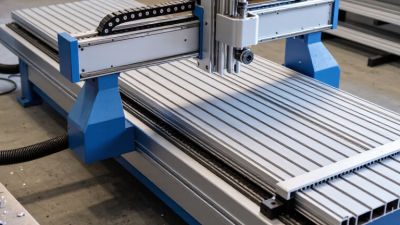
So, an Aluminium Profile CNC Router is pretty impressive — it combines computer-controlled movements with high-speed cutting, specifically for shaping aluminium extrusion. You'll often see it used for making things like window frames, machine guards, solar panel parts, and lightweight structural components. The machine follows pre-programmed toolpaths along the X, Y, and Z axes, while a spindle carefully removes material with controlled depth and feed speed. It’s a real workhorse, but it’s not magic—there’s a lot that goes into making it work smoothly.

The demand for these machines is definitely on the rise. For example, Grand View Research reported that the global aluminium extrusion market was worth around USD 70 billion in 2023, and it’s expected to keep growing through 2030. That’s driven by industries like building and construction, transportation, and renewables. Plus, Fortune Business Insights points out that automation and precision manufacturing are really pushing the CNC machine market forward. All these numbers suggest there's a lot of opportunity — but let’s be clear, it’s not a slam dunk for success. You still need to do your homework.

Peter Zelinski from Modern Machine Shop often reminds folks that CNC machining isn’t just about owning fancy machinery — the magic is in having repeatable, reliable processes. That’s totally true here. Even the best aluminium profile CNC router needs good workholding, the right carbide cutters, appropriate spindle speeds, and, frankly, an operator who knows what they're doing. Little mistakes — like burrs, chatter marks, or uneven slots — can sneak in if you’re not careful.

And honestly, those details really do matter.

In a real shop, an operator might secure a six-meter-long profile, double-check that it’s straight, and even run the program without the material actually cutting, just to make sure everything’s dialed in. Coolant strategies are also key — they can really impact surface finish and how long your tools last. But keep in mind, different aluminium grades behave quite differently. What works great for 6063 might not cut it on 6061, so you’ve gotta adapt.

Of course, having all these settings and practices is helpful, but it’s not the full story. Things like software, regular maintenance, extraction systems, and inspection routines are just as important. This guide focuses on how the machine performs — where it really shines, and where it shows its limitations. Bottom line: understanding these factors makes all the difference in turning a good machine into a great one.
What Is an Aluminium Profile CNC Router?

What Is an Aluminium Profile CNC Router?

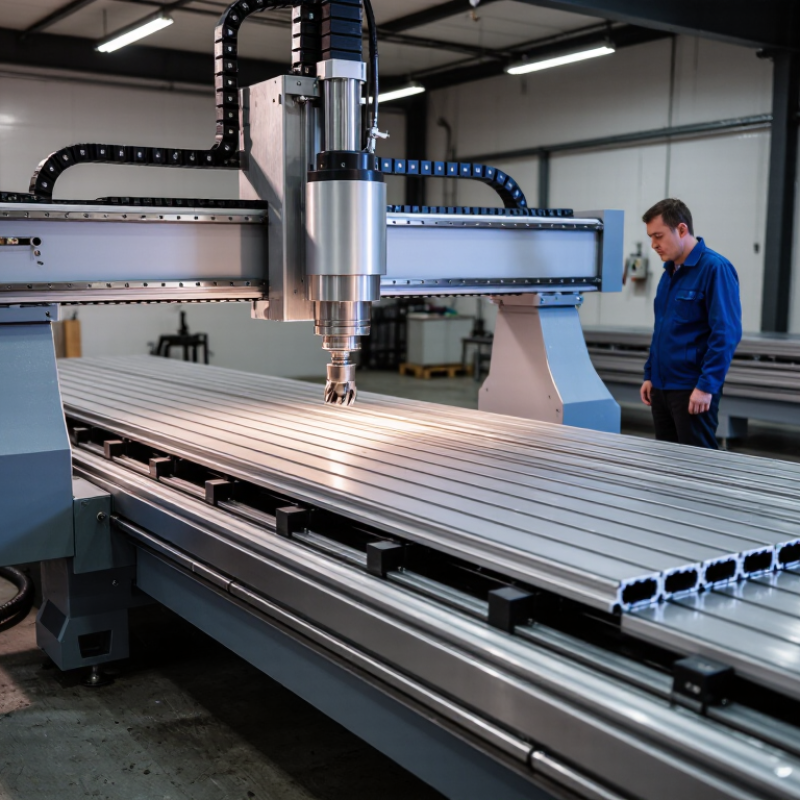
An aluminium profile CNC router is a computer-controlled cutting machine designed to shape aluminum sections accurately. It uses a rotating spindle, cutting tools, and programmed movements along several axes. The machine can trim, drill, slot, and pocket profiles for frames, enclosures, doors, and light industrial structures. “Aluminium Profile For Cnc” work usually demands careful support because long sections may vibrate during cutting.

The operator first secures the profile on a level worktable. Clamps must hold firmly without crushing the metal. A suitable carbide cutter, correct spindle speed, and controlled feed rate help prevent rough edges. Coolant or air may reduce heat and clear chips from narrow grooves. I have found that small setup errors often create visible alignment problems later. Measure twice.

Software converts the designed dimensions into tool movements. However, the machine does not correct poor drawings or loose fixtures. Operators should check tool clearance, profile straightness, and the finished dimensions before production. Aluminum can appear smooth while carrying sharp chips around drilled holes. Gloves help during handling, but they should never approach a moving cutter. Test cuts on scrap material remain useful, especially when the profile alloy, wall thickness, or clamping method changes. Even experienced users can overlook deflection on longer sections.

How an Aluminium Profile CNC Router Works

An aluminium profile CNC router is a computer-controlled cutting system for machining extruded aluminium sections. A Cnc Profile Aluminium workflow begins with a CAD drawing, which CAM software converts into toolpaths. The controller then guides the gantry along the X, Y, and Z axes. A high-speed spindle removes material with carbide cutters. Clamps hold the profile firmly, while a vacuum table or chip extraction system limits movement and debris.

The machine does not simply “cut a shape.” It manages feed rate, spindle speed, cutting depth, and tool engagement. Operators usually make a shallow pass before deeper cuts. This reduces heat and protects thin profile walls. The International Aluminium Institute reports that recycled aluminium requires about 95% less energy than primary aluminium, making accurate material use valuable. ISO 230-2 also provides methods for checking positioning accuracy in machine tools. However, accuracy on paper can mislead. A warm spindle, loose clamp, or worn cutter can shift a hole by a fraction of a millimetre. Small errors matter.

During production, the operator checks the first piece with calipers or a coordinate measuring system. Chips should leave the cutting zone quickly. Otherwise, they can scratch the surface or damage the edge. That assumption deserves questioning: faster machining is not always better. A stable toolpath, clean fixture, and measured inspection often produce more reliable aluminium frames.

Key Components of an Aluminium Profile CNC Router

What Is an Aluminium Profile CNC Router?

Key Components of an Aluminium Profile CNC Router

An aluminium profile CNC router combines a rigid frame, linear guide rails, drive system, spindle, controller, and workholding table. Each component affects cutting accuracy and surface quality. The frame must resist vibration during slotting and drilling. Linear rails keep the gantry moving smoothly. Ball screws suit shorter, precision-focused machines, while rack-and-pinion drives support longer profiles. A 2.2–3.5 kW spindle commonly handles aluminium profile work, but cutting speed depends on alloy, tool geometry, and chip evacuation.

The controller coordinates servo or stepper motors across multiple axes. Servo systems usually provide stronger feedback, although they increase cost and setup demands. Vacuum tables can hold flat sheets, but custom clamps are often safer for hollow profiles. Chip brushes, air blasts, and coolant systems reduce heat buildup. The International Aluminium Institute reported approximately 70.6 million tonnes of global primary aluminium production in 2023, showing the material’s continuing industrial importance. Grand View Research estimated the CNC machine market at over USD 80 billion in 2023. Demand is growing, but specifications still require careful checking. More power does not automatically mean better results.

Tips: Use a sharp carbide tool and secure the profile near the cutting zone. Test feed rates on scrap material first. Check rail alignment before blaming the controller. I have found that small alignment errors can become visible on long profiles. That detail is easy to underestimate. Review chip evacuation regularly, because aluminium chips can weld to a hot tool and damage the finish.

What Is an Aluminium Profile CNC Router? — Key Components

The chart shows representative starting feed rates for routing aluminium profiles at different wall thicknesses. A CNC router combines a high-speed spindle, collet and cutting tool, linear motion system, workholding table, controller, and chip or coolant management. Actual settings depend on the alloy, tool geometry, spindle power, and machine rigidity.

Materials and Profiles It Can Process

What Is an Aluminium Profile CNC Router?

An Aluminium Profile CNC Router cuts, drills, and pockets aluminium extrusions with computer-controlled accuracy. Its working range depends on spindle power, gantry rigidity, and tooling. Common materials include 6061, 6063, and 6082 aluminium alloys. Each behaves differently during cutting. 6063 is easy to machine and suits decorative frames. 6061 offers stronger structural performance. 6082 handles heavier engineering applications. According to the International Aluminium Institute, global primary aluminium production reached about 70.6 million tonnes in 2023. This scale reflects aluminium’s importance across construction, transport, and manufacturing.

The router can process T-slot profiles, square tubes, rectangular sections, channels, angles, and custom extrusions. It can also machine aluminium sheets and plates, although thicker stock may require a metal-cutting machining centre. Thin profile walls can vibrate. Sharp cutters may create burrs around drilled holes. Coolant or mist lubrication often improves edge quality and tool life. I have found that clamping matters as much as programming. A loose extrusion can shift slightly, ruining a precise joint. Not every profile cuts equally well.

Tips: Match the cutter to the alloy and wall thickness. Use sacrificial supports beneath hollow sections. Check the extrusion drawing before setting toolpaths. The European Aluminium recycling data indicates recycled aluminium can save roughly 95% of the energy used for primary production. Material selection, therefore, affects both machining results and resource use. Cnc Aluminium Profile work still needs inspection, especially around slots, corners, and threaded holes.

What Is an Aluminium Profile CNC Router? – Materials and Profiles It Can Process

An aluminium profile CNC router is a computer-controlled machine that cuts, drills, slots, and mills aluminium workpieces. Its practical capacity depends on the machine’s rigidity, spindle, tooling, workholding, and cutting parameters.

Material or profile Typical examples Common CNC operations Practical considerations
Aluminium extrusion alloys 6061 and 6063 extrusions End milling, drilling, tapping, slotting, and profile trimming Commonly machined alloys. Use secure clamping and suitable sharp cutters; chip evacuation is important.
Other wrought aluminium alloys 5052 sheet or plate; 6082 and 7075 stock, where machine capacity permits Routing, pocketing, drilling, and contour cutting Cutting behaviour varies by alloy and temper. Thin sheet may need close support to reduce vibration or distortion.
Rectangular and square hollow profiles Box sections and structural tubing Face milling, holes, slots, notches, and end cuts Support the workpiece near the cutting area and avoid clamping forces that can crush thin walls.
Round tubes and bars Aluminium tube, solid round bar, and hollow round sections Cross-holes, slots, end features, and contour machining A suitable V-block, fixture, or rotary axis may be needed to prevent rolling and maintain alignment.
T-slot and modular framing profiles Slotted framing extrusions with internal channels Cut-to-length, end machining, mounting holes, and access slots Match the fixture and cutting path to the profile geometry; chips can collect in channels.
Custom and architectural extrusions Window, door, heat-sink, trim, and equipment profiles Notching, drilling, end shaping, and local feature machining Complex or delicate cross-sections often require profile-specific supports and carefully planned tool access.
Aluminium plate and flat stock Flat plate, strip, and rectangular bar 2D contouring, pockets, holes, and edge trimming Maximum thickness and achievable accuracy depend on machine stiffness, spindle power, tooling, and workholding.
Related non-metal materials Engineering plastics and some composite panels Routing, drilling, and contour cutting Compatibility depends on the material and tooling. Use appropriate dust or chip extraction and follow material safety guidance.

Note: A CNC router is not suitable for every aluminium size or operation. Confirm the machine’s rated material capacity, travel, spindle and tooling limits, fixture requirements, and the required tolerances before machining.

Common Applications in Manufacturing and Fabrication

What Is an Aluminium Profile CNC Router?

Common Applications in Manufacturing and Fabrication

An aluminium profile CNC router uses computer-controlled motion to cut, drill, slot, and shape aluminium extrusions. The machine follows programmed coordinates across several axes. It can produce repeatable parts for frames, enclosures, guards, doors, and machine supports. In fabrication shops, this matters when many profiles need matching holes and clean joints. A router is not a magic machine. Tool choice, clamping, chip removal, and accurate drawings still control the result.

Manufacturers use these routers for workstation frames, conveyor structures, display systems, and lightweight machine housings. Fabricators also use them for prototype parts and small production runs. A single setup can create several hole patterns without repeated manual marking. This improves consistency and reduces measuring time.

However, thin profiles may vibrate during cutting. Poor support can leave rough edges or inaccurate slots. Experienced operators check the extrusion’s dimensions before programming. They also test critical cuts on spare material. Small errors become expensive quickly.

Tips: Use sharp tools designed for aluminium, secure the profile along its length, and keep chips away from the cutting path. Confirm the drawing, datum points, and hole locations before machining. Measure the finished part, even when the program seems correct. It is easy to trust software too much.

Advantages and Limitations of CNC Routing Aluminium Profiles

What Is an Aluminium Profile CNC Router? Advantages and Limitations of CNC Routing Aluminium Profiles

An aluminium profile CNC router uses a rotating cutter and programmed tool paths to shape long extrusions. It can mill slots, drill holes, and trim ends with repeatable positioning. For example, a fixture can hold a profile while the machine cuts mounting holes at measured intervals. This helps when several parts need matching features. Setup matters. A poorly secured extrusion may vibrate, leaving rough edges or inaccurate dimensions.

CNC routing can process custom shapes without making a dedicated die, which suits prototypes and small production runs. It also allows design changes through revised tool paths.

Cnc Machining Aluminum Profile work can be efficient, but routing is not ideal for every feature. Thin walls may flex under cutting pressure, and deep cuts can cause chatter or tool wear. Coolant, sharp cutters, and suitable feed rates help manage heat and chip buildup. Still, results depend on the alloy, profile geometry, and machine rigidity. A router may not deliver the finish or precision required for every tight-tolerance part. Test cuts are useful. They take time, and I would not skip them just to speed up a first production run.

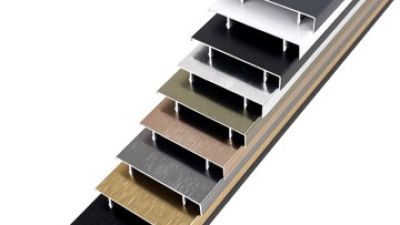
Aluminium Baseboard Edge Strips: A Practical Guide to Clean, Durable Interior Finishes

Aluminium baseboard edge strips create a neat transition where walls meet the floor while helping protect lower wall surfaces from scuffs, knocks, and marks caused by everyday movement. Their slim profile can give a room a clean, finished appearance without drawing attention away from the flooring or décor. They are suitable for many interior spaces, including hallways, living areas, and offices.

Made from aluminium alloy, these strips combine practical strength with resistance to corrosion. Precision processing helps produce consistent edges and a close fit along the wall, while a treated surface can make routine care straightforward: dust or wipe the strip with a soft cloth and a mild cleaner when needed. Their durability makes them a useful choice in areas that see regular foot traffic or frequent cleaning.

For a polished result, choose a strip profile and finish that complement the floor and wall, and measure the perimeter carefully before installation. A secure, even fit helps reduce gaps and keeps the edge looking tidy over time. With the right selection and placement, aluminium baseboard edge strips offer both everyday wall protection and a refined interior detail.

FAQS

What is an aluminium profile CNC router?

It is a computer-controlled machine for cutting, drilling, slotting, and shaping aluminium sections. It uses a rotating spindle and programmed axis movements.

What parts can it produce?

It can make frames, enclosures, doors, guards, workstation structures, and lightweight machine housings. It also suits prototypes and small production runs.

How should an aluminium profile be secured?

Place the profile on a level worktable. Use firm clamps along its length without crushing the metal. Long sections need extra support.

Why can aluminium profiles vibrate during cutting?

Thin or unsupported profiles may deflect under cutting pressure. Vibration can create rough edges, inaccurate holes, or uneven slots. Support matters.

Which cutting tools and settings are suitable?

Use sharp carbide tools designed for aluminium. Select a suitable spindle speed and controlled feed rate. The correct settings depend on alloy and wall thickness.

Can coolant or air improve machining?

Coolant or air can reduce heat and clear chips from narrow grooves. Clean chip removal also helps protect the cutting path.

What should operators check before machining?

Check the drawing, profile straightness, datum points, tool clearance, and clamping method. Confirm hole locations before running the program.

Why are test cuts useful?

Test cuts reveal setup errors before production begins. Use spare material when the alloy, thickness, or fixture changes. Software is not always right.

Conclusion

An Aluminium Profile Cnc Router is a computer-controlled machining system designed to cut, drill, slot, and shape aluminium profiles with high accuracy and repeatability. It operates by converting digital drawings into programmed tool movements, allowing the cutting head to follow precise paths along multiple axes. Its main components typically include a rigid frame, workholding system, spindle, motion guides, drive motors, control software, and safety features. Together, these parts support stable processing and consistent results.

This type of router can handle extruded aluminium profiles, frames, rails, channels, and other lightweight metal sections used in fabrication. Common applications include windows and doors, machine guards, modular workstations, enclosures, furniture components, and industrial assemblies. Its key advantages are efficient production, accurate dimensions, reduced manual effort, and the ability to repeat complex designs. However, performance depends on correct tooling, secure clamping, suitable cutting parameters, and regular maintenance. It may also have limitations when processing very thick or highly rigid materials better suited to heavier machining equipment.