Leave a Message
*Name Cannot be empty!
* Enter product details such as size, color,materials etc. and other specific requirements to receive an accurate quote. Cannot be empty
0%

Large Aluminum Extrusion Profiles are basically engineered aluminum sections made by pushing heated billet through a shaped die. And unlike those small decorative trims, these can stretch several meters and have to handle serious structural or functional jobs. Their size isn't just about length, either. Cross-sectional area, wall thickness, weight, how complex the die is, and production capacity all come into play.

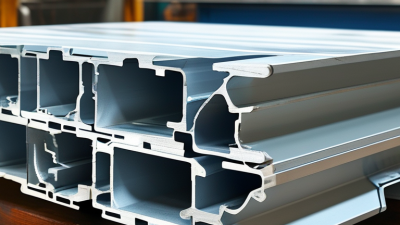
In real manufacturing, engineers might design profiles for transport frames, architectural facades, solar support systems, machine structures, or industrial enclosures. A large profile could have deep channels, reinforced ribs, or multiple hollow chambers. Those details help cut weight while making the part stiffer. But bigger doesn't automatically mean stronger. Alloy choice, temper, die design, cooling control, and straightening accuracy can all change how it performs in the end.

Experienced extrusion teams usually review the drawings before production starts. They look at corner radii, tolerances, weld lines, surface requirements, and whether distortion might be a problem. This step often catches something pretty common: a profile can look great on screen but behave badly once it's actually extruded. Sometimes small tweaks to wall balance can improve stability and reduce scrap. It's an easy lesson to overlook.

Quality checks can involve dimensional inspection, surface checks, hardness testing, and traceable material records. Depending on the application, you may need more testing. Good suppliers should tell you what tolerances are actually achievable instead of promising unrealistic precision. They should also talk through cutting, machining, finishing, packaging, and delivery conditions.

The definition stays flexible.

This article explains how Large Aluminum Extrusion Profiles are designed, manufactured, inspected, and selected. It also looks at their practical limits, because successful extrusion depends on more than just impressive dimensions.
What Are Large Aluminum Extrusion Profiles?

Definition and Core Features of Large Aluminum Extrusion Profiles

What Are Large Aluminum Extrusion Profiles?

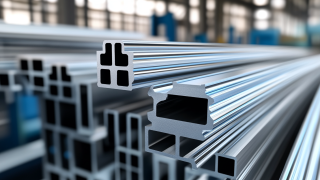
Large aluminum extrusion profiles are long, customized sections formed by pushing heated aluminum through a shaped die. Their defining feature is not a single worldwide size limit. Instead, engineers usually assess cross-sectional area, wall thickness, weight per meter, and die complexity. In practical design reviews, a profile becomes “large” when standard presses, handling systems, or cooling equipment face greater demands. That boundary remains fuzzy.

These profiles can combine deep cavities, reinforced ribs, channels, and mounting surfaces in one piece. Aluminum Extrusion Tube Profiles, for example, may carry cables, fluids, or structural loads while reducing assembly work. The International Aluminium Institute reported global primary aluminum production near 70 million tonnes in 2023. This scale supports broad industrial availability, but it does not guarantee every alloy suits large sections. Alloy choice affects strength, surface quality, extrusion speed, and distortion risk.

The Aluminum Association notes that aluminum’s low density supports lightweight structural design. However, designers should not treat low weight as automatic efficiency. Large profiles may develop uneven cooling, twist, or residual stress after extrusion. A thicker wall can help, but it also increases material use and cycle time. Recycled content can reduce environmental impact; the International Aluminium Institute reports that recycling aluminum uses roughly 5% of the energy required for primary production. The figure is useful, not universal. Processing, transport, and scrap quality still require careful review.

How Large Aluminum Extrusion Profiles Are Manufactured

Manufacturing large aluminum extrusion profiles begins with selecting a suitable alloy and preparing a precise die. Common choices include 6061 and 6063 aluminum. Each offers different strength, finish, and forming behavior. Technicians inspect the billet for surface damage before heating it. Temperature matters. If the billet is too cold, the press needs excessive force. If it is too hot, the profile may lose dimensional stability.

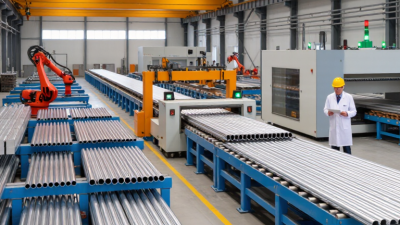
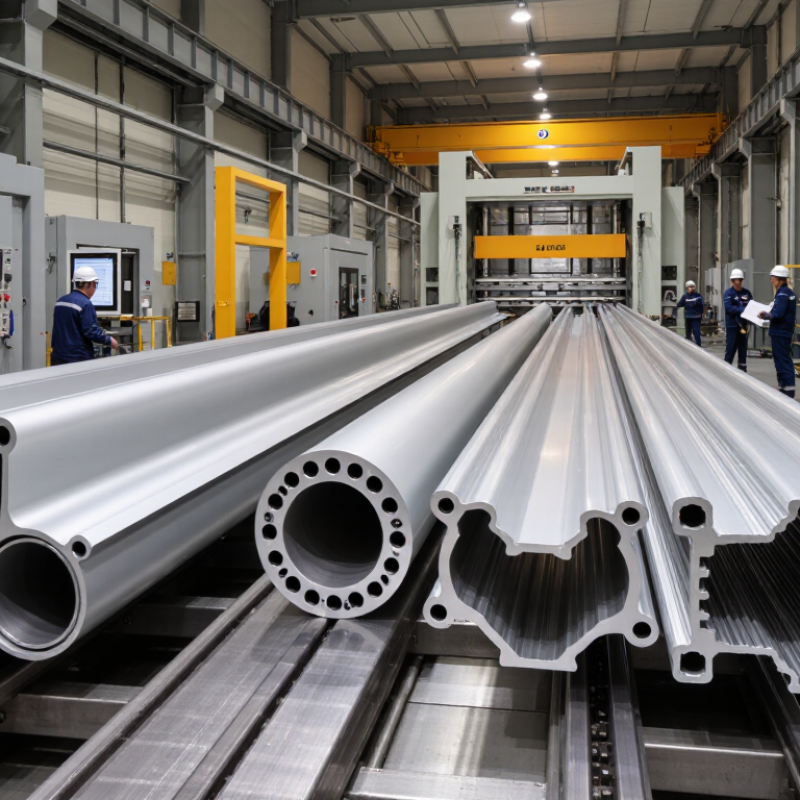
The heated billet enters a powerful extrusion press, where a ram pushes aluminum through the die opening. The metal emerges as one continuous shape, often several meters long. Operators monitor press pressure, exit temperature, and extrusion speed during this stage. Cooling systems then stabilize the profile without creating severe internal stress. Large sections may require controlled air or water cooling. The method depends on wall thickness and alloy condition. Straightening equipment corrects bending after cooling. Small distortions remain possible.

After cutting, the profiles receive artificial aging in a temperature-controlled oven. This treatment improves strength and supports consistent performance. Inspection includes dimensional checks, surface examination, and alloy verification. Engineers measure wall thickness at several points, not just near the ends. Ends can cool differently. That detail is easy to overlook. Some production runs still require adjustment after inspection. Die wear, uneven cooling, or minor handling marks can affect results. Careful records help technicians identify these patterns and improve the next run.

Common Aluminum Alloys Used in Large Extrusions

What Are Large Aluminum Extrusion Profiles? Their performance depends heavily on alloy selection, especially when sections exceed ordinary frame sizes. Common choices belong to the 6000 series. Magnesium and silicon provide strength, corrosion resistance, and weldability. 6063 creates smooth surfaces and complex shapes, but it is not the strongest option. 6061 and 6082 suit structural beams, platforms, and transport frames. 6005A often balances strength with improved extrusion behavior. That balance matters.

The International Aluminium Institute reported global primary aluminium production of approximately 70.6 million tonnes in 2023. Its industry data also indicates that recycled aluminium requires roughly 5% of the energy used for primary production. The USGS Mineral Commodity Summaries 2024 recorded U.S. primary aluminium output at about 750,000 metric tons in 2023. These figures show why billet quality and material efficiency matter. For large Aluminum Construction Profiles, recycled billet can influence chemistry, surface quality, and consistency. Mill certificates and independent testing remain important.

In shop trials, thick ribs can cool unevenly and distort after extrusion. A die may need adjustment. Engineers should review temper, wall thickness, quenching, and straightening together. T6 temper improves strength, yet it can increase distortion risk in thin, wide sections. 6063-T5 may look cleaner, while 6082-T6 may carry more load. Neither is universally better. Alloy decisions should follow load calculations, joining methods, exposure conditions, and press capacity. Experienced teams sometimes specify strength first, then discover finish or tolerance problems later.

Key Design Factors for Large Extruded Aluminum Profiles

What Are Large Aluminum Extrusion Profiles?

Large aluminum extrusion profiles are shaped sections produced by pressing heated aluminum through a custom die. They can form long beams, frames, rails, housings, and structural supports. Their size creates opportunities, but it also increases design risks. A profile measuring several meters may twist, sag, or cool unevenly after extrusion. Small details become important.

Key Design Factors for Large Extruded Aluminum Profiles

Wall thickness should remain as balanced as possible. Sudden changes can slow material flow and create distortion. Rounded corners usually improve extrusion quality and reduce stress concentration. Engineers also need to define flatness, straightness, and dimensional tolerances before tooling begins. Overly tight tolerances may increase machining and inspection costs without improving performance.

Alloy selection depends on strength, corrosion resistance, weldability, and surface requirements. A lightweight frame may need different properties than Aluminum Heatsinks Profiles designed for efficient thermal transfer.

Thermal expansion also matters in long assemblies. A profile installed beside glass, steel, or electrical components can move noticeably during temperature changes. Allow clearance.

Joining methods deserve early attention. Drilled holes, slots, and fasteners can weaken thin sections if placed carelessly. In production reviews, the first design is rarely perfect. A prototype may reveal unexpected vibration, visible die lines, or difficult access for assembly tools. That feedback should influence the next revision, not be treated as failure. Surface finishing, packaging, and handling must also be planned before production, because long profiles can scratch or bend during transport.

Industrial Applications of Large Aluminum Extrusion Profiles

What Are Large Aluminum Extrusion Profiles?

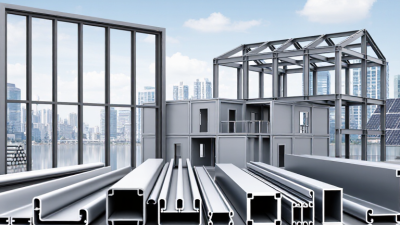
Large aluminum extrusion profiles are long structural components made by pushing heated aluminum through a shaped die. Their size supports wider spans, heavier equipment, and complex industrial frames. Engineers commonly use them for machine bases, conveyor systems, warehouse structures, transport equipment, and solar support assemblies. Aluminum offers low weight, natural corrosion resistance, and practical machining options. It is not always the strongest choice.

In industrial applications, large profiles can form guard rails, access platforms, robotic cells, and modular production lines. Their internal channels may carry cables, fasteners, sensors, or cooling lines. A well-designed profile reduces welding and simplifies later adjustments. However, engineers must check deflection, torsion, joint strength, and vibration. A thick-looking profile may still twist under an uneven load. Die design, alloy selection, wall thickness, and temper all affect performance. Real installations also face dust, temperature changes, impacts, and rushed maintenance. Early drawings are often too optimistic.

Tips: Define loads and support spacing before selecting a profile. Use actual joint details in structural calculations. Check machining access around corners and channels. Protect long sections during transport. Inspect cut ends for burrs and distortion. If a frame carries moving equipment, test vibration before full production. A small prototype can reveal problems that drawings miss. Keep tolerances realistic. Overly tight tolerances increase cost without improving function.

What Are Large Aluminum Extrusion Profiles?

Large aluminum extrusion profiles are long, custom-shaped sections produced by forcing heated aluminum alloy through a die. Their combination of low density, corrosion resistance, strength, and design flexibility makes them suitable for structural and industrial applications.

The chart compares commonly used aluminum extrusion alloys by approximate minimum ultimate tensile strength for widely used structural tempers. Higher-strength alloys are generally selected for load-bearing frames, transportation structures, and heavy industrial equipment, while 6063 is frequently chosen for architectural and general-purpose profiles because of its excellent surface finish and extrudability.

Benefits and Limitations of Large Aluminum Extrusions

What Are Large Aluminum Extrusion Profiles?

Benefits and Limitations of Large Aluminum Extrusions

Large aluminum extrusion profiles are structural sections pressed through shaped dies. They can form beams, frames, rails, housings, and long support members. A profile may include hollow chambers, ribs, grooves, or channels for fasteners. This design reduces separate parts and simplifies assembly. That detail matters.

Their main benefit is efficient strength with relatively low weight. Aluminum also resists normal atmospheric corrosion and supports clean, durable surfaces. Long sections can reduce welded joints, lowering alignment problems during installation. Machining can add holes, slots, and mounting faces after extrusion. For architectural systems, Customized Wall Supports Profiles Aluminum Brackets can combine support functions with a neat visible finish. Extrusions also allow repeatable production when dimensions stay consistent.

Large sections have limitations. Die costs can be significant, especially for unusual shapes or small production runs. The extrusion process may create distortion, thin-wall variation, or residual stress. These issues become more noticeable in very wide profiles. Heavy sections can also require special handling, packaging, and transport planning. Aluminum expands with temperature changes, so long assemblies need movement allowances. Surface damage may occur during machining or installation. Corrosion resistance is not unlimited, particularly near aggressive chemicals or dissimilar metals. Engineers should verify load paths, tolerances, connections, and real site conditions before approval. Calculations alone may miss a practical problem.

FAQS

How are large aluminum extrusion profiles manufactured?

A heated aluminum billet is pushed through a custom die. The metal exits as one continuous section, often several meters long. Cooling and straightening follow.

Which aluminum alloys are commonly used?

Common choices include 6061 and 6063 alloys. Their strength, surface finish, and forming behavior differ. The best choice depends on the application.

Why is billet temperature important?

A cold billet requires excessive pressing force. An overheated billet may lose dimensional stability. Temperature control must be consistent.

How are large profiles cooled after extrusion?

Controlled air or water cooling stabilizes the profile. The method depends on wall thickness and alloy condition. Uneven cooling can cause bending or internal stress.

What design details improve extrusion quality?

Balanced wall thickness supports smoother metal flow. Rounded corners reduce stress concentration. Sudden thickness changes may create distortion.

What problems can occur during transportation and assembly?

Long profiles can scratch, bend, or twist during handling. Protective packaging is important. Small marks are easy to miss.

How are extruded profiles inspected?

Inspectors check dimensions, surfaces, alloy condition, and wall thickness. They measure several points along the profile. The ends may cool differently.

What happens after cutting and inspection?

Profiles often receive artificial aging in a controlled oven. This treatment improves strength and consistency. Some production runs still need adjustment.

Where are large aluminum profiles commonly used?

They can form machine bases, conveyor frames, access platforms, and modular structures. Internal channels may carry cables, sensors, or cooling lines. They are lightweight, but not always the strongest option.

How should engineers validate a large profile design?

Define loads, support spacing, joints, and tolerances before tooling. Test a small prototype for vibration and assembly access. Drawings can look better than reality.

Conclusion

Large Aluminum Extrusion Profiles are oversized aluminum sections produced by forcing heated aluminum billets through specially designed dies to create continuous shapes with precise cross-sections. Their core features include high strength-to-weight ratios, design flexibility, corrosion resistance, and the ability to combine structural and functional elements in one profile. The manufacturing process generally involves billet heating, extrusion, cooling, stretching, cutting, and optional heat treatment or surface finishing. Common alloy choices vary according to the required balance of strength, formability, weldability, and corrosion resistance.

Successful design requires careful attention to wall thickness, dimensional tolerances, die complexity, weight distribution, corner radii, and post-processing requirements. These profiles are widely used in transportation structures, industrial equipment, building systems, renewable energy frames, and large mechanical assemblies. Their main benefits include reduced weight, efficient material use, long service life, and simplified assembly. However, large extrusions may involve higher tooling costs, transportation challenges, size limitations, and the need for specialized processing and quality control.