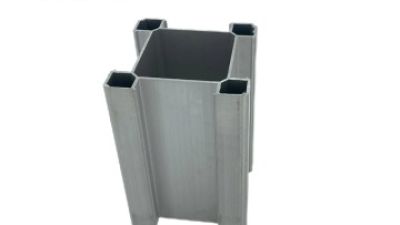
Choosing a reliable Cnc Aluminum Profile manufacturer isn't just about comparing prices. For buyers around the world, it’s also about making sure the dimensions are consistent, the alloys are suitable, communication is smooth, and quality records are clear. You know that tiny details like a rough edge or a misaligned mounting slot can really slow down assembly and lead to extra work—those little things matter more than you might expect.
This guide is here to help you out. It focuses on manufacturers in China who serve international clients and walks you through what to look for before you request a quote. We cover aspects like machining capabilities, the type of equipment they use, inspection processes, customization options, and support for exporting. If you're after an Aluminum Profile for CNC, make sure to get everything in writing—stuff like alloy specs, tolerances, surface finish, and packaging needs. Sharing drawings and sample parts can help avoid misunderstandings, although keep in mind that samples might not always reflect what’s produced in larger quantities.
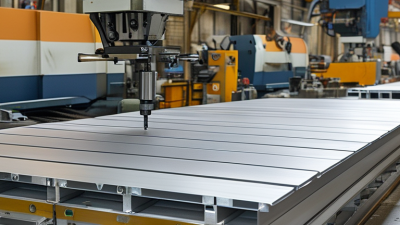
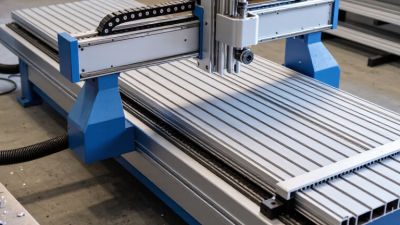
While having good equipment is definitely a plus, it’s not the whole picture. For example, an Aluminum Profile Cnc router can do repeatable cutting and milling, but skilled operators and documented inspection routines are what really ensure consistent results. Be sure to ask how they check critical dimensions and how they handle changes between batches. It’s also smart to request relevant certifications or inspection reports—just don’t take their word for it; verify what’s included.
There’s no such thing as a perfect supplier, of course. A salesperson who’s quick to respond is great, but that doesn’t replace real technical proof. And an attractive sample doesn’t guarantee steady production. It’s wise to compare several manufacturers using the same drawings and requirements. Then, pay attention to how they answer your questions, their lead times, and whether they’re open about any limitations. It might seem like an extra step and slow things down a bit—trust me, it’s worth avoiding costly surprises down the line.
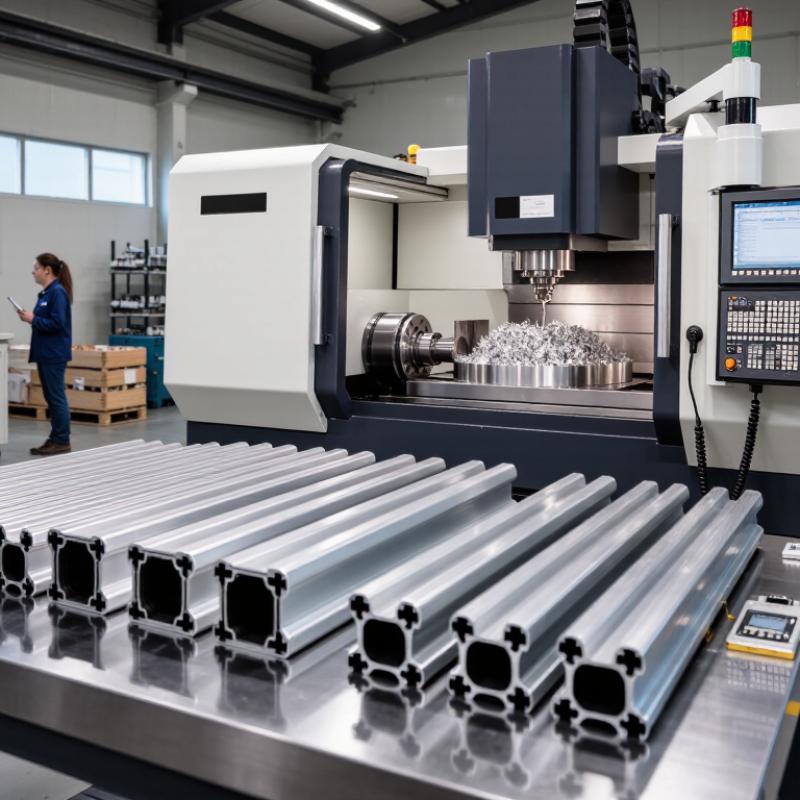
Aluminum profile weight calculations often start with a density of 2.70 g/cm³. The ASM Handbook, Volume 2, gives this standard value for aluminum; actual alloy and temper can shift it slightly. A one-metre length of solid 50 × 50 mm bar would weigh about 6.75 kg before machining. Hollow profiles weigh less, but wall thickness and corner geometry matter. Check the drawing, not just the outside dimensions.
The 6xxx series combines magnesium and silicon, and these alloys can be strengthened by heat treatment. The Aluminum Association’s Aluminum Standards and Data describes 6061 and 6063 among widely used wrought alloys. In profile applications, 6063 is commonly selected for smooth extrusion surfaces and complex shapes; 6061 can suit parts needing higher strength. “6xxx” alone is not a specification. Temper, dimensional tolerance, and surface finish affect performance and should appear on the purchase document. A small omission here can cause real rework.
Tips: Ask for the alloy and temper certificate, then compare the stated density assumptions with the supplier’s mass-per-metre figure. Weigh a sample length if the project is sensitive to load or shipping cost. It is a simple check, though not a substitute for full inspection.
A dependable Aluminium Profile For Cnc starts with a sound billet, not just a precise machine. Billets are heated until they can flow through a shaped die. The die forms the cross-section, while extrusion speed and temperature influence grain structure and surface quality. The profile then cools, stretches to reduce distortion, and may be artificially aged for strength. Small details matter.
The International Aluminium Institute reported global primary aluminium production of about 70.6 million tonnes in 2023. This figure describes primary metal, not CNC-ready extrusion stock, so it should not be mistaken for a quality measure. For buyers, billet alloy, homogenization, and documented heat treatment are more useful checks. A smooth surface can still hide residual stress.
Before machining, stock is often cut to length and inspected for straightness, twist, and dimensional variation. Ask suppliers for alloy and temper records, plus tolerances across the full profile. This is where drawings meet shop-floor reality. An extrusion may fit a nominal size yet shift during milling as internal stresses release. That deserves attention. Trial cuts and measured samples can expose problems early, though they add time and cost. A practical supplier explains these trade-offs instead of promising perfect results.
These approximate ranges illustrate key thermal stages used for many 6xxx-series aluminum profiles. Actual temperatures depend on the alloy, profile geometry, equipment, and required temper. Confirm the processing route and material condition with the supplier before CNC machining.
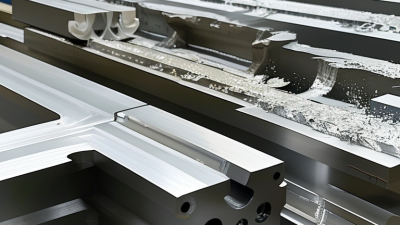
CNC machining turns an aluminium profile into a part with defined faces, holes, and threads. Milling removes material with a rotating cutter, creating slots or flat surfaces while the profile is clamped against vibration. Drilling makes holes for fasteners, but the tool must clear chips before heat builds inside the bore. Tapping follows with a threaded tool. A shallow wall needs careful torque control; otherwise, the thread can tear. Small details matter.
Cutting establishes the blank length, while milling and drilling bring it closer to drawing dimensions. The International Federation of Robotics reported 4.28 million industrial robots operating worldwide in 2023, a 10% year-on-year increase in its World Robotics 2024 report. That figure reflects broader factory automation, not CNC accuracy itself, but it shows why repeatable setups matter to global production. Buyers should check datum references, burr removal, thread gauges, and inspection records. A bright edge can still conceal a poor fit. More spindle speed is not always better; chip shape, tool wear, and clamping pressure deserve equal attention. A sensible process may need adjustment after the first sample.
EN 755-9 defines dimensional and form tolerances for aluminium profiles, but it does not give every shape one universal limit. Applicable values depend on factors such as profile dimensions and geometry. Buyers should compare the relevant table with the actual drawing, not rely on a generic tolerance claim. Small differences matter.
For Cnc Profile Aluminium components, extrusion variation affects how much material remains for machining. A profile may meet its extrusion tolerance yet still need careful datum selection before milling. For example, a thin-walled section can shift slightly when clamped, changing the finished slot position. Specify critical faces, hole locations, and functional fits clearly. Leave suitable machining allowance where the design permits.
Inspection should separate raw-profile checks from post-machining measurements. Calipers can help with accessible dimensions, while critical features may need a coordinate measuring machine or a suitable gauge. Record the measurement method and inspection points. A drawing that says “tight tolerance” is not enough; give numerical limits. It is tempting to assume CNC finishing corrects every extrusion variation. It does not. And one detail is easy to miss: clamping pressure itself can distort a slender section. Review that risk with the supplier before production.
For global buyers, anodizing thickness is a practical specification, not a cosmetic detail. Common classes from 10 to 25 μm help match protection to exposure and finish requirements. ISO 7599:2018 provides a framework for specifying decorative and protective anodic coatings, while ASTM B244 describes eddy-current measurement for nonconductive coatings on nonmagnetic metals. Buyers should request measured thickness records, not rely on appearance alone. A bright surface proves little.
On a Cnc Aluminium Profile, 10 μm may suit sheltered indoor applications; 15 μm is a common choice for general architectural use. Classes of 20 or 25 μm can provide a thicker oxide layer for harsher exposure or greater wear, but alloy, sealing, and maintenance still matter. Thicker is not automatically better. Edges, slots, and deep pockets can receive less uniform coverage, especially when machining leaves burrs or sharp corners. Ask suppliers how they control these areas and where measurements are taken. A sample part can reveal uneven colour or dull patches, though it cannot replace documented testing. One detail is easy to miss: machining marks may remain visible beneath the anodized layer.
For global buyers, ISO 9001:2015 is a useful starting point when assessing a Cnc Aluminium Profile manufacturer. The ISO Survey 2022 reported 1,265,216 valid ISO 9001 certificates worldwide. That scale shows how widely quality management systems are used, not that every supplier delivers equal machining accuracy. Ask to see the certificate’s scope, issuing details, and latest audit status. A certificate alone is not enough.
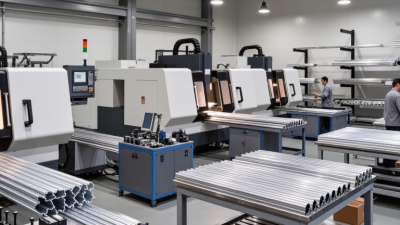
For Cnc Machining Aluminum Profile orders, examine how the shop controls each step. Request sample inspection records showing dimensions, tolerances, measurement equipment, and acceptance criteria. Check whether tools have current calibration records. Traceability should connect the material certificate, production batch, inspection results, and packed parts through clear lot numbers. Ask what happens when a measurement falls outside tolerance. Look for documented containment and corrective action, not just a verbal promise. A neat report can still miss a weak process.
Tips: Ask for one anonymized job record and follow a single part from incoming material to final inspection. Verify that timestamps and lot codes match. If records are hard to follow, pause. I have seen paperwork appear complete while leaving gaps between batches; that deserves a closer review.
Global sourcing of CNC-machined aluminium profiles starts with a clearly defined MOQ. Ask whether it covers raw extrusions, machining setup, or finished parts; the quantities may differ. Request a pilot batch. Confirm alloy, temper, cutting tolerances, surface finish, and packaging before approving the quotation. Split lead times into material availability, machining, inspection, and transport. The World Bank’s 2023 Logistics Performance Index assesses 139 economies and tracks timeliness, customs, and shipment reliability. Delivery risk does not end at the factory gate. UNCTAD’s Review of Maritime Transport 2024 reports that container spot rates nearly tripled between October 2023 and June 2024. Freight assumptions can age quickly.
Under ICC Incoterms 2020, FCA may suit containerized cargo, while DAP generally leaves import clearance and duties to the buyer. Name the place precisely and assign responsibilities in the contract. Incoterms do not set payment terms or transfer ownership. Prepare a commercial invoice, packing list, and transport document; include origin or material certificates when the destination and contract require them. Exact document requirements vary. A common planning flaw is treating quoted factory days as door-to-door days. Leave a buffer. Even a careful schedule can miss a port delay or a rejected inspection, so confirm milestones and document review dates before production begins.
Efficient assembly lines depend on components that are strong, adaptable, and easy to configure. Aluminum profile brackets help connect structural sections and support equipment such as sensors, guards, worktables, and light machinery. Their sturdy construction provides reliable support in demanding production environments, while the profiles can be arranged to suit different line layouts and workstation needs.
A modular design makes installation and adjustment straightforward. Teams can reposition brackets, add components, or update a workstation as production requirements change, without rebuilding the entire structure. This flexibility is useful across industries, including automotive manufacturing and food processing, where equipment layouts and workflow demands may vary. With carefully selected profiles and secure connections, manufacturers can create organized assembly lines that support stable operation, practical maintenance, and efficient use of production space.
A rotating cutter removes material to create flat faces, slots, and other features. Secure clamping helps limit vibration.
Drilling creates holes, and tapping forms threads. Clear chips during drilling, and control torque on thin walls. Small details matter.
Check drawing dimensions, datum references, burrs, and threads with suitable gauges. Ask for inspection records; a clean-looking edge can still fit poorly.
Around 10 μm may suit sheltered indoor use, while 15 μm is common for general architectural applications. Exposure and maintenance matter too.
Not necessarily. Classes of 20 or 25 μm can suit harsher exposure, but alloy, sealing, and upkeep affect results.
Sharp edges, slots, and deep pockets may receive less uniform coverage. Ask where thickness is measured, and review a sample for dull patches.
Confirm whether the MOQ covers raw material, setup, or finished parts. Separate material, machining, inspection, and transport times. Leave a buffer.
Specify the delivery place and responsibilities under the chosen Incoterm. Prepare a commercial invoice, packing list, and transport document; requirements can vary by destination.
Choosing the right Aluminium Profile For Cnc begins with understanding the material. Aluminum’s density is approximately 2.70 g/cm³, while common 6xxx-series alloys offer a useful balance of strength, workability, and corrosion resistance. Extrusion transforms a heated billet into a consistent profile, which can then be prepared for CNC milling, drilling, tapping, and cutting according to the required design.
Reliable production depends on dimensional control throughout extrusion and machining, with EN 755-9 tolerances providing a reference for profile accuracy and CNC finishing helping achieve closer-fitting features. Anodizing in thickness classes from 10 to 25 μm can add surface protection suited to different applications. When assessing manufacturers, buyers should review ISO 9001:2015 quality systems, inspection practices, and material traceability. For international sourcing, clarify minimum order quantities, lead times, Incoterms 2020 responsibilities, and the export documents required for a smooth shipment.