Leave a Message
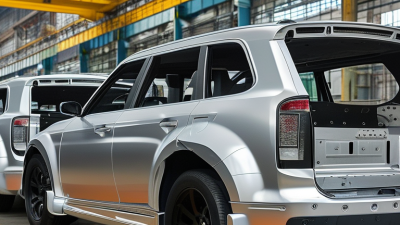
Car makers are increasingly turning to aluminium extrusions when they need to cut weight without sacrificing strength. You see these profiles everywhere—from battery enclosures and crash structures to chassis sections, roof rails, even thermal management parts. And sure, in an EV, saving a kilo here and there helps with efficiency and range. But let’s be honest: lightweighting alone isn’t what makes a part a winner. You know, when you really get down to it, everything from the design to the alloy you pick, how you join things, making sure it won't corrode, and keeping production consistent – it all counts. And honestly, the little stuff? That's where it really makes or breaks things.
So, this guide walks you through the top 10 automotive aluminium extrusion suppliers worldwide—but it’s not just about name recognition. Instead, it looks at the stuff that actually matters: extrusion capabilities, engineering support, manufacturing reach, real automotive experience, quality practices, and whatever sustainability info they’ve made public. When it comes to Aluminium Extrusion Automotive projects, you really need automakers, designers, and suppliers to be on the same page—especially if the profiles have to meet tight tolerances or work with other materials. And here's the thing: not every alloy is going to cut it. A supplier might be great at pumping out high-volume parts, but not so great at a specialized component. Or the other way around. That difference matters more than you'd think.
Look, this list isn't meant to be the be-all and end-all—it's just a starting point for doing your own research. You shouldn't treat it as a replacement for actually getting your hands dirty with technical due diligence. Make sure you double-check current capabilities, certifications, and what kind of regional service each supplier actually offers. Because things change, right? Companies shift their offerings and production footprints all the time, and public info only shows so much. So yeah, some of the comparisons here are a bit rough around the edges. Look, it's worth saying: choosing a supplier isn't just about rankings. It really depends on the vehicle platform, how the component is designed, validation requirements, and delivery needs. If you dig into the technical documentation and project-specific evidence, you'll often get a much clearer picture than any headline ranking can give you.
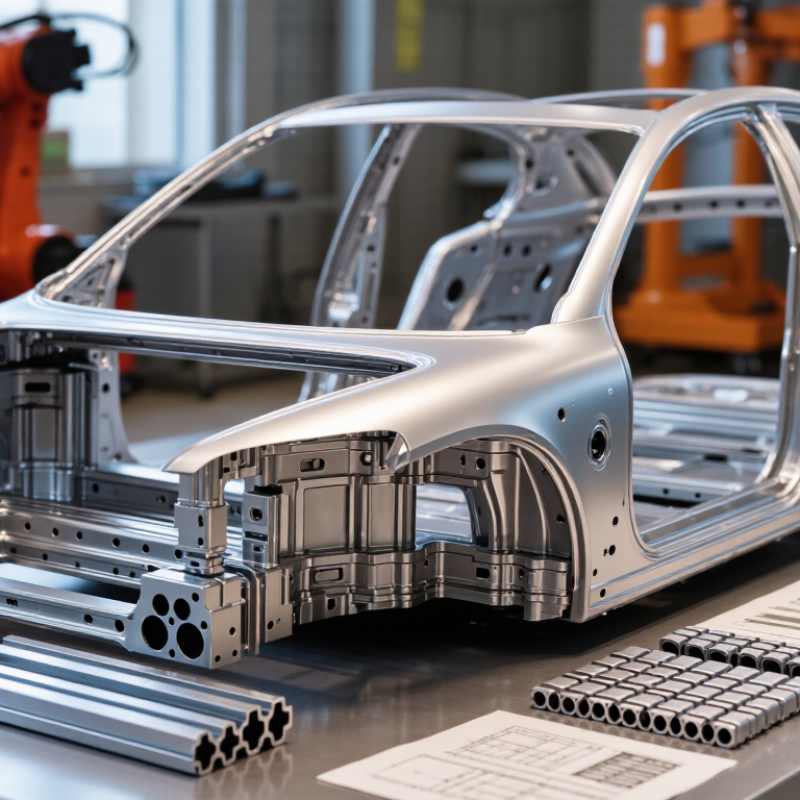
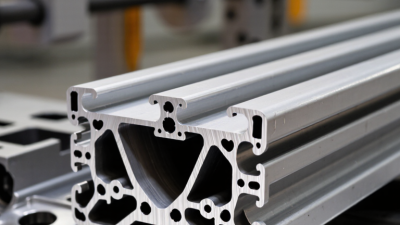
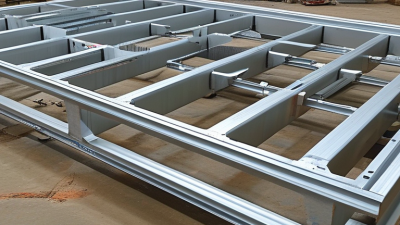
Aluminium extrusions help reduce vehicle mass while keeping parts stiff and functional. Their shaped cross-sections can combine ribs, channels, and mounting surfaces in one component. This suits battery enclosure frames, seat structures, roof rails, and crash-management systems. In electric vehicles, hollow profiles can also form coolant passages around battery modules. Less weight can support efficiency, but the result depends on the full vehicle design.
Fit matters. Engineers assess load paths, crash behavior, joining methods, and corrosion exposure before choosing a profile. A profile that looks strong on a drawing may deform differently at a joint. That detail is easy to underestimate. Aluminium Extrusion T Slot Profile designs can support adjustable fixtures and interior assemblies, though they are not automatically suitable for safety-critical structures. Testing and careful material selection remain essential.
Tips: Match wall thickness to the expected load, and avoid adding metal without a clear purpose. Check how fasteners, welds, or adhesives affect the finished part. Prototype the assembly early. A small change in corner radius or channel size can affect fit and durability. Engineers should also consider repair access and production tolerances, not only weight savings.
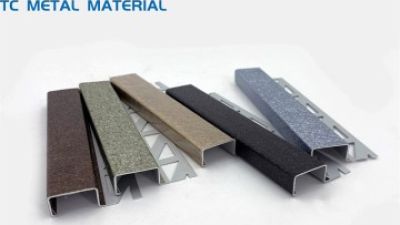
A cloth-like decorative film gives aluminium edge trim a softer, more tactile character than conventional smooth finishes. Its woven appearance can bring warmth to minimalist interiors, complement natural materials, or add subtle contrast around wall panels, cabinetry, and doorways. Lightweight yet sturdy, the film helps protect profiles from everyday scuffs while maintaining a refined finish. A choice of colors and textures makes it easier to coordinate edge details with different room styles, and materials selected with environmental considerations in mind support thoughtful product specification.
The finish also fits into a wider conversation about better-performing buildings. The 2024 Global Status Report for Buildings and Construction, published by UNEP and the Global Alliance for Buildings and Construction, reports that buildings and construction account for 32% of global energy use and 34% of energy- and process-related carbon dioxide emissions. While a decorative film cannot address these impacts on its own, durable finishes can help designers create interiors intended to remain attractive through everyday use. The International Aluminium Institute reports that recycling aluminium can require up to 95% less energy than producing primary aluminium, underscoring the value of considering material choices across a product’s lifecycle.
For designers, the cloth-like surface opens up practical possibilities: a subtle textile effect on narrow trim, coordinated tones across adjoining profiles, or a contrasting edge that frames a feature wall. The result is a small architectural detail with a distinctive texture, dependable wear resistance, and the flexibility to support a considered interior scheme.
Compare alloy capability, dimensional tolerances, and wall-thickness consistency. A low quote means little if production varies.
Request measurements from several production batches, including billet records and final inspection results. One sample is not enough.
Compare straightness, surface condition, and cut ends with the engineering drawing. Look closely for marks or uneven edges.
Provide a representative drawing, annual volume, and tolerance requirements. Clear details can reduce avoidable quote changes.
No. Press size alone proves little. Check die maintenance, measurement methods, and repeatability across production runs.
A nearby plant may shorten transport routes and support engineering trials. Still, scheduling and finishing can cause delays.
Compare equipment, testing methods, and backup capacity at each site. A wide footprint can hide uneven quality control.
No. One visit offers useful details, but it cannot confirm long-term performance. I may be overthinking this, but follow-up data matters.
This article explores how aluminium extrusions support modern vehicle design, from lightweight structural components and crash-management systems to battery enclosures and interior features. It outlines the main stages of extrusion manufacturing, including billet preparation, shaping, heat treatment, finishing, and quality checks, while explaining how production choices influence strength, precision, and performance. The discussion also considers the criteria buyers can use to assess global suppliers, such as engineering expertise, material range, production capacity, quality systems, and ability to support complex vehicle programs.
Profiles of leading suppliers are presented through their capabilities and regional manufacturing footprints, without focusing on brand promotion. The article also examines how established production networks and technical collaboration can help meet varied automotive requirements. Finally, it highlights emerging trends in Aluminium Extrusion Automotive, including continued vehicle lightweighting, electrification, more integrated component designs, and advances in sustainable manufacturing. Together, these topics offer a practical overview of the supplier landscape and the factors shaping the future of automotive aluminium extrusion.