Leave a Message
*Name Cannot be empty!
* Enter product details such as size, color,materials etc. and other specific requirements to receive an accurate quote. Cannot be empty
0%

When it comes to 2026 projects, Aluminum Construction Profiles are starting to feel like a pretty practical pick for façades, modular buildings, solar frames, and lightweight structural systems. And honestly? The appeal makes sense: high strength-to-weight performance, corrosion resistance, dimensional accuracy, and plenty of design flexibility.

A 2024 report from the International Aluminium Institute projects much higher aluminum demand by 2050, driven by construction, transport, and renewable-energy applications. The Aluminium Association also notes that aluminum can be recycled again and again without losing its basic properties. That matters when a profile eventually leaves a building decades down the road.

But here’s the thing: the market isn’t simple.

Gerd Götz, Director General of European Aluminium, has said, “Aluminium is essential to Europe’s green transition.” That reflects a broader industry reality, sure—but it shouldn’t be the end of the discussion. Extrusion quality, alloy selection, thermal breaks, surface treatment, recycled content, and installation accuracy can all change real-world performance. Grand View Research points to construction as a major application area for aluminum extrusion, while industry reports keep warning about energy use and carbon intensity in primary aluminum production. These findings deserve careful comparison, not convenient repetition.

So this guide looks at the top Aluminum Construction Profiles expected to shape 2026 projects. It compares common alloys, finishes, load behavior, fabrication methods, and lifecycle considerations. Fair warning: some rankings are subjective. A profile that works beautifully for a curtain wall may fail economically in a warehouse frame. That’s the part buyers often overlook. And the strongest choice isn’t always the thickest profile. It’s the one matched to the building, the climate, the budget, and verified supplier data.
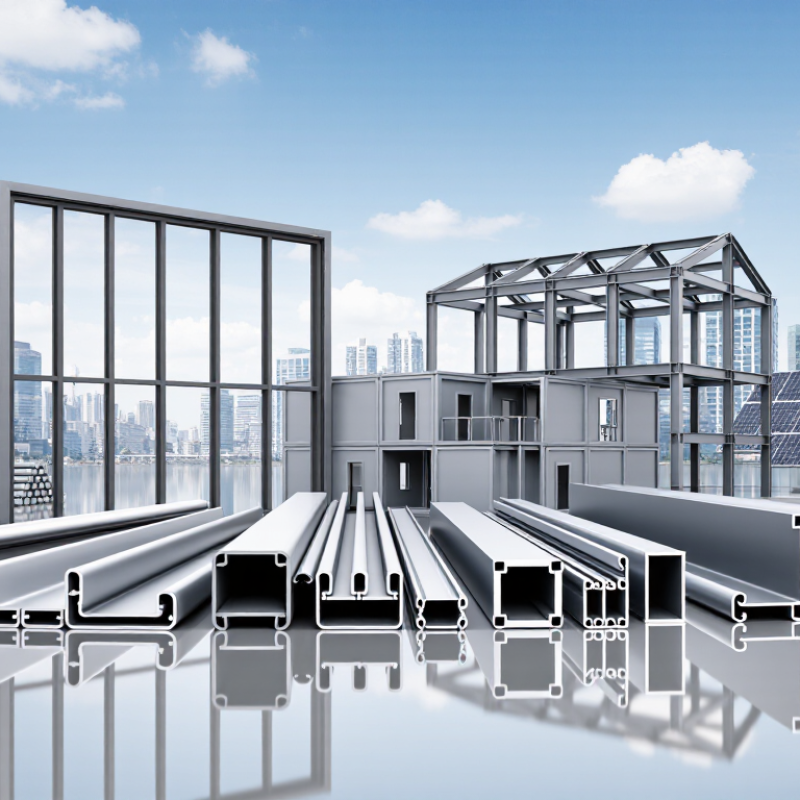
What Are the Top Aluminum Construction Profiles in 2026?

What Are Aluminum Construction Profiles and Why Do They Matter in 2026?

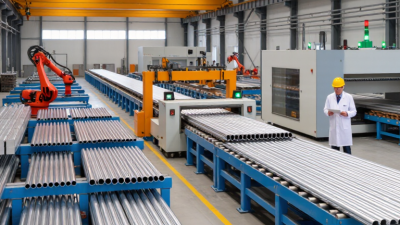
Aluminum construction profiles are engineered sections made through extrusion. Heated aluminum is pressed through a shaped die, creating consistent channels, frames, rails, and supports. Common examples include curtain-wall mullions, window frames, sliding-door tracks, T-slot sections, and thermal-break profiles. Each shape carries loads differently. Not every profile fits.

Their importance in 2026 comes from practical building pressure. Projects need lower energy use, slimmer façades, faster assembly, and longer service life. Thermal-break profiles reduce heat transfer through window and façade frames. T-slot profiles support adjustable structures without extensive welding. Curtain-wall profiles help manage glass weight, wind pressure, drainage, and controlled movement. Details decide durability.

Selection should begin with the building’s load requirements, climate, span, and installation method. Check alloy, temper, wall thickness, dimensional tolerance, surface treatment, and test documentation. A bright finish can look impressive, yet poor drainage may still cause corrosion around joints. That is an easy detail to miss. On site, installers also need clean cuts, accurate connectors, and accessible fasteners. Profiles with recycled content may reduce environmental impact, but production quality and traceability still matter. The most expensive section is not automatically the safest choice. Careful specification remains more reliable than appearance alone.

Which Aluminum Alloys Are Used in Modern Construction Profiles?

Modern construction profiles rely on aluminum alloys chosen for performance, not appearance alone. The widely used 6063 alloy extrudes smoothly and produces clean, detailed shapes. It suits window frames, curtain walls, doors, and interior partitions. Its surface responds well to anodizing and powder coating. The finished profile can feel light, precise, and durable.

6060 offers similar advantages for simpler architectural sections. When higher strength matters, engineers often consider 6061, 6005A, or 6082. These alloys support heavier frames, platforms, structural rails, and connection areas. Their magnesium and silicon content improves strength after heat treatment. Temper condition matters greatly. A T5 or T6 profile may perform very differently from the same alloy in a softer state. Small details matter here.

The best alloy is not always the strongest. It is the suitable one. A common mistake is selecting 6061 for every project, then discovering more difficult extrusion, higher costs, or unnecessary weight. Experienced designers also check corrosion exposure, fastener compatibility, weld zones, and thermal movement. In coastal buildings, protective finishes and drainage paths may matter as much as alloy selection. Thermal-break systems add another layer. They combine aluminum profiles with insulating materials, reducing heat transfer through the frame. No profile is perfect. Real projects still require testing, load calculations, and careful review of local conditions.

How Are Aluminum Profiles Classified by Shape and Function?

What Are the Top Aluminum Construction Profiles in 2026?

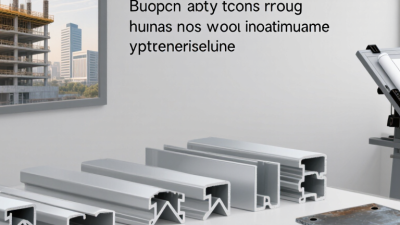
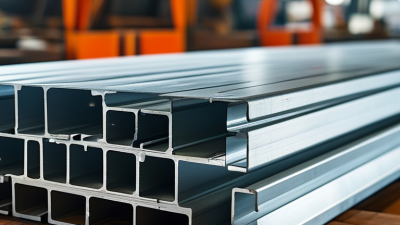
Aluminum profiles are classified by both cross-sectional shape and intended function. Solid profiles include bars, angles, and flat sections. Hollow profiles use internal cavities to reduce weight while retaining useful stiffness. Semi-hollow designs sit between both groups. Their openings remain narrow.

T-slot profiles support adjustable machine frames, partitions, and modular structures. Channels and I-shaped sections suit rails, supports, and load-bearing assemblies. Thermal profiles use thin fins to increase heat dissipation. Architectural profiles prioritize clean edges, glazing support, and visible surface quality. Large Aluminum Extrusion Profiles serve curtain walls, transport frames, industrial platforms, and long structural members.

Function depends on more than shape. Alloy selection, temper, wall thickness, tolerances, and surface treatment can change performance significantly. ISO 6362 and EN 755 provide important extrusion and dimensional references. However, profile names are not universal across markets. That creates avoidable confusion.

The U.S. Geological Survey’s Mineral Commodity Summaries 2025 estimated global primary aluminum production at about 72 million metric tons in 2024. This scale supports broad construction use, but it does not guarantee suitable engineering quality. In practical inspections, I would check corner radii, straightness, joining methods, and local buckling risks. A profile may look strong. Its connection may still fail. Selection guides often simplify this point, and engineers should question that shortcut.

What Are the Top Aluminum Profile Systems for Walls, Roofs, and Facades?

What Are the Top Aluminum Construction Profiles in 2026?

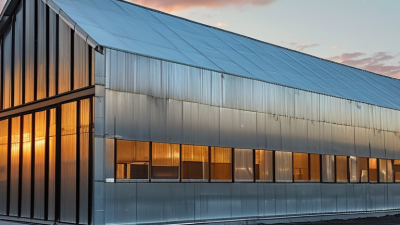
For walls, roofs, and facades, the strongest aluminum profile systems are not always the thickest. They combine thermal performance, drainage, load control, and fast installation. Aluminum Extrusion Tube Profiles are useful for lightweight subframes, roof supports, service screens, and modular wall grids. Their hollow sections reduce weight, while internal ribs improve stiffness around joints.

Facade systems need continuous thermal breaks and controlled water paths. Field inspections often find blocked drainage channels, not weak aluminum, behind early failures. Profiles should include pressure-equalized cavities, sloped sills, and replaceable gaskets. For roofs, deeper rafters handle wider spans, but deflection still needs checking under wind and snow loads. A slim section can look elegant. It can also move too much.

Sustainability & Performance The International Aluminium Institute reports that recycling aluminum can save up to 95% of the energy used for primary production. That supports recycled-content specifications, but quality control remains essential. The 2024 UNEP Global Status Report states that buildings consume about 32% of global energy and produce approximately 34% of global carbon emissions. Better envelopes matter. Yet profile selection alone cannot fix poor orientation, glass ratios, or careless sealing. Designers should verify U-values, air leakage, fire performance, and structural calculations against local codes. One practical lesson deserves emphasis: installers need tolerance for real walls. Perfect drawings meet imperfect sites.

How Do Thermal, Structural, and Finishing Features Affect Profile Selection?

What Are the Top Aluminum Construction Profiles in 2026?

Profile selection now depends on more than shape and price. Thermal performance, structural capacity, and surface finishing must work together. In hot façades, profiles with thermal breaks reduce heat transfer between exterior and interior surfaces. Their polyamide barriers need continuous placement, correct assembly, and verified conductivity data. A small installation gap can weaken the expected result.

Structural profiles require a different inspection. Engineers should check span length, wind pressure, glass weight, deflection limits, and connection details. A slim section may look elegant but twist under load. For equipment cabinets, machine frames, and solar supports, thicker walls or internal ribs can improve stiffness. Aluminum Heatsinks Profiles also need carefully spaced fins, especially where airflow is limited. More fins do not always mean better cooling.

Finishing affects service life and appearance. Anodized surfaces suit high-touch areas and can preserve a consistent metallic texture. Powder coatings offer broader color choices, but pretreatment and coating thickness deserve close control. I have seen attractive samples fail near cut edges because sealing was overlooked. That mistake is easy to repeat. Project teams should compare supplier test reports, inspect corner joints, and review maintenance conditions before approving a profile. Laboratory values can differ from performance on a dusty construction site. That gap deserves honest attention.

What Are the Top Aluminum Construction Profiles in 2026?

How Do Thermal, Structural, and Finishing Features Affect Profile Selection?

The chart compares representative values commonly used during early-stage aluminum profile selection. Thermal-break width indicates insulation potential, structural depth reflects resistance to span and wind loads, and finish thickness represents typical protective coating levels. Thermally broken systems generally improve energy performance, while deeper profiles support larger spans and higher loads. Actual values vary according to project design, local codes, glazing weight, exposure, and tested system performance.

What Standards and Sustainability Factors Define Leading Profiles in 2026?

In 2026, leading aluminum construction profiles are judged beyond appearance and load capacity. Project teams now compare published tolerances, alloy chemistry, and production traceability. EN 755 helps verify extruded profile dimensions and mechanical properties. EN 12020 is valuable when architectural profiles require tighter tolerances. ASTM B221 may apply to projects using North American specifications. The correct standard depends on location, use, and contract language. A certificate alone is not enough. Site records still matter.

Sustainability begins with measurable data, not green wording. Responsible suppliers should provide recycled-content evidence, energy information, and an Environmental Product Declaration when available. EPDs aligned with ISO 14025 and EN 15804 make embodied-carbon comparisons more credible. Recycled aluminum can reduce impact, but remelting energy and transport change the result. Ask for batch traceability. It exposes gaps. Finishes also deserve scrutiny. Anodizing may extend service life, while powder coating needs verified durability for the exposure class. Low-VOC processing is useful, but it does not replace whole-life assessment.

For façade frames, partitions, and Customized Wall Supports Profiles Aluminum Brackets, engineers should check connection strength, corrosion compatibility, and fire-related requirements. Aluminum touching incompatible metals can corrode at hidden joints. Small isolation washers can prevent expensive repairs. I have seen drawings specify a profile without defining its temper or finish. That omission creates risk. A stronger specification names the alloy, temper, tolerance, finish, recycled content, testing method, and inspection frequency. It is less elegant on paper. It is far more dependable on site.

What Are the Top Aluminum Construction Profiles in 2026? — What Standards and Sustainability Factors Define Leading Profiles in 2026?
Profile / Alloy Temper Typical Construction Application Relative Performance and Fabrication Characteristics Relevant Product Standards Key Quality-Control Data 2026 Sustainability Factors Best Selection Signal
6063-T5 / 6063-T6
Architectural alloy
Window and door frames, curtain-wall components, interior partitions, handrails, trims and other visible architectural sections. Excellent extrudability and surface finish; suitable for complex, thin-walled and decorative sections. T6 provides higher strength than T5, while T5 can offer lower processing energy where the design permits. EN 573-3 for chemical composition; EN 755-1 and EN 755-2 for extruded products and mechanical properties; EN 12020-1 and EN 12020-2 for precision architectural extrusions; ASTM B221 or ISO 6362 where applicable. Alloy designation, temper, dimensional tolerances, wall-thickness control, tensile properties, surface quality, straightness and anodizing or coating compatibility. Specify verified recycled metal input, segregated production scrap recovery, low-carbon electricity where available, and an EPD conforming to EN 15804 and ISO 14025 for whole-project carbon accounting. Choose when appearance, extrusion complexity and surface consistency are more important than maximum structural strength.
6060-T5 / 6060-T6
Precision architectural
Lightweight window systems, façade trims, display structures, lightweight partitions and precision-fitted architectural frames. Very good extrudability and finish quality; generally selected for moderate-load applications and detailed cross-sections. Mechanical capacity depends on temper, section thickness and applicable standard. EN 573-3; EN 755-2; EN 12020-1 and EN 12020-2 for precision extrusions; ISO 6362 or ASTM B221 for projects using those specifications. Dimensional tolerance class, surface inspection, hardness or tensile testing, corner definition, twist, bow and consistency of the specified temper. Prioritize recycled-content declarations supported by mass-balance records, production scrap recycling, renewable-electricity documentation and project-specific product carbon data rather than generic carbon claims. Choose when tight dimensional control and a clean architectural finish are required at moderate structural demand.
6005A-T6
Medium-strength structural
Structural framing, façade mullions, roof and floor components, transport-related building elements, supports and heavier-duty extruded sections. Higher strength than common architectural 6060 and 6063 sections, with good extrudability. Useful where a more compact section can reduce material quantity, subject to engineering verification. EN 573-3 and EN 755-2; EN 755-9 for profile tolerances where specified; ASTM B221 or ISO 6362 for alternative regional procurement requirements. Temper verification, tensile and yield properties, fatigue or buckling design data where relevant, weld-zone performance, dimensional tolerances and traceability by heat or batch. Assess the carbon benefit of reduced section mass together with recycled content. Require an EPD or verified product carbon footprint that states electricity mix, billet source, extrusion and finishing processes. Choose when the design needs more strength than standard architectural alloys without moving immediately to a less extrusion-friendly alloy.
6061-T6
General structural
Load-bearing frames, brackets, platforms, supports, mechanical building components and fabricated structures requiring established structural design data. High strength-to-weight ratio and broad availability. Less suited than 6063 or 6060 to highly intricate architectural shapes and demanding cosmetic finishes. ASTM B221 for aluminum-alloy extruded bars, rods, wire, profiles and tubes; EN 573-3 and EN 755-2 or ISO 6362 where European or international specifications govern the project. Yield and tensile strength, elongation, dimensional tolerances, weldability requirements, heat-treatment condition, corrosion protection and batch traceability. Reduce embodied carbon through optimized structural design, recycled billet where performance is demonstrated, durable surface protection and documented end-of-life recyclability. Choose when structural capacity, design familiarity and fabrication versatility outweigh the need for the finest architectural surface finish.
6082-T6
Higher-strength structural
Heavy-duty frames, bridges and walkways, industrial building structures, machine bases, roof supports and high-load extruded components. One of the higher-strength commonly extruded 6000-series construction alloys, with good corrosion resistance and machining performance. Section geometry, welding and local buckling must be checked by the project engineer. EN 573-3 and EN 755-2; EN 755-9 for dimensional tolerances; ISO 6362 or ASTM B221 where those specifications are contractually required. Mechanical properties by section thickness, dimensional accuracy, weld heat-affected-zone design, corrosion exposure classification and documented inspection results. Use design optimization to minimize mass, specify long service life and repairability, and request verified carbon data covering primary or recycled metal production, extrusion, finishing and transport. Choose for demanding structural duty where the additional alloy strength can reduce section size without compromising safety or durability.
6106-T6
Complex structural extrusion
Complex load-bearing profiles, façade supports, modular construction frames, roof systems and components requiring a balance of strength and extrudability. Good combination of medium-to-high strength and extrusion capability. Appropriate performance depends on the specified profile geometry, wall thickness, temper and heat-treatment control. EN 573-3; EN 755-1 and EN 755-2; EN 755-9 for tolerances; ISO 6362 or ASTM B221 for projects using those product frameworks. Alloy and temper certification, tensile testing, profile geometry, straightness, twist, surface condition, heat-treatment records and traceability. Compare material efficiency against higher-strength alternatives, require transparent recycled-content accounting and favor finishes with documented durability and lower process emissions. Choose when a complex extrusion must carry meaningful loads while retaining practical production efficiency.
Thermal-Break Aluminum Frame
System-level profile
High-performance windows, doors, curtain walls and façades where thermal bridging, condensation risk and whole-building energy demand are critical. Uses polyamide or another engineered insulating separator between interior and exterior aluminum parts. Thermal performance is governed by the complete frame, glazing, seals, joints and installation—not by alloy grade alone. EN 14024 for mechanically fastened thermal barriers; EN ISO 10077-1 and EN ISO 10077-2 for thermal transmittance calculations; project-specific air, water and wind standards also apply. Frame U-value, linear thermal transmittance, air permeability, watertightness, wind resistance, condensation assessment and thermal-bar integrity after durability testing. Document aluminum recycled content and separator material composition, design for disassembly, avoid unnecessary mixed-material bonding and provide product carbon data for the full frame assembly. Choose when operational-energy savings and condensation control are more important than selecting an alloy solely by strength.
Solar-Mounting Aluminum Profile
Lightweight infrastructure
Rooftop photovoltaic rails, façade-mounted solar supports, module frames and adjustable mounting structures. Typically relies on corrosion-resistant, readily extrudable 6000-series alloys. Structural adequacy depends on wind, snow, seismic loads, span, fasteners, support spacing and connection detailing. EN 755-2 or ASTM B221 for extruded material; applicable structural aluminum design rules; project requirements for wind, snow, corrosion and photovoltaic mounting assemblies. Alloy and temper, rail deflection, pull-out and connection capacity, corrosion exposure, coating or anodizing quality, dimensional tolerances and fatigue where cyclic loading is relevant. Favor high recycled content with verified mass balance, low-mass designs, long service life, mechanical connections that support disassembly and documented recyclability at photovoltaic-system end of life. Choose when low mass, corrosion resistance, rapid installation and verifiable life-cycle performance are central to the renewable-energy structure.

Technical note: The applicable alloy, temper, dimensional tolerance and mechanical-property requirements must be selected according to the project location, design code, section geometry and load case. EN 755, EN 12020, ASTM B221 and ISO 6362 are product-standard frameworks; they do not replace structural calculations or project-specific testing.

Sustainability note: Recycled-content percentages, embodied-carbon values and environmental benefits are not universal properties of an alloy designation. They should be verified through supply-chain documentation, product carbon footprints or third-party Environmental Product Declarations prepared in accordance with ISO 14025 and EN 15804.

Aluminum Clothes Hook: A Practical Guide to Strength, Style, and Everyday Organization

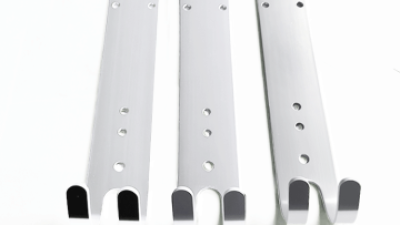
An aluminum clothes hook is a simple yet practical solution for keeping everyday items organized. Made from durable aluminum alloy, it offers a strong and lightweight place to hang coats, hats, backpacks, towels, scarves, keys, and other personal belongings. Its clean appearance fits naturally into bedrooms, entryways, bathrooms, offices, and other spaces where easy access and better organization are needed. By giving frequently used items a dedicated position, the hook can help reduce clutter and make daily routines more convenient.

Installation is flexible, allowing the hook to be fixed to a wall with screws or attached with nail-free adhesive, depending on the surface and the required level of support. Screws are suitable for heavier loads and more permanent installation, while nail-free glue can be useful for renters or anyone who wants to avoid drilling. The aluminum construction also resists everyday wear and is easy to wipe clean. Positioned near a doorway, it can hold bags and keys; in a bathroom, it can keep towels within reach; and in a bedroom, it provides an orderly spot for clothing and accessories.

FAQS

How are aluminum construction profiles classified by shape?

They include solid, hollow, and semi-hollow sections. Solid bars have no internal cavity. Hollow profiles reduce weight while preserving useful stiffness. Semi-hollow profiles have narrow openings.

What are T-slot aluminum profiles used for?

T-slot profiles support adjustable machine frames, partitions, and modular structures. Their grooves accept movable connectors. Assembly stays flexible.

Which profiles suit rails and load-bearing assemblies?

Channel and I-shaped profiles commonly serve rails, supports, and structural assemblies. Their geometry helps resist bending. Connections still require careful checking.

What makes thermal profiles different?

Thermal profiles use thin fins to increase surface area. More surface area improves heat dissipation. Fin spacing and airflow still matter.

What should engineers check beyond profile shape?

They should review alloy, temper, wall thickness, tolerances, and surface treatment. Corner radii matter. Straightness matters too.

Which standards may apply to aluminum profiles?

EN 755 covers important extrusion dimensions and mechanical properties. EN 12020 suits tighter architectural tolerances. ASTM B221 may apply under North American specifications. Project location and contract language decide the correct reference.

How can buyers evaluate sustainability claims?

Ask for recycled-content evidence, energy data, and an Environmental Product Declaration when available. Check batch traceability. Green wording alone proves very little.

Can recycled aluminum always provide the lowest environmental impact?

Not always. Remelting energy and transport can change the result. A whole-life comparison is more reliable. I would still question simple recycled-content claims.

What risks exist when aluminum touches other metals?

Incompatible metals can cause hidden corrosion at joints. Small isolation washers may reduce this risk. Hidden damage is expensive.

What should a dependable profile specification include?

Name the alloy, temper, tolerance, finish, recycled content, testing method, and inspection frequency. Connection strength also needs verification. A profile may look strong, but its joint may fail.

Conclusion

Aluminum Construction Profiles are essential components in modern building design because they combine low weight, strength, corrosion resistance, and flexible fabrication. In 2026, construction professionals select profiles according to the demands of walls, roofs, curtain facades, partitions, doors, and structural frames. Common alloys are chosen for their balance of formability, load-bearing capacity, durability, and surface treatment performance. Profiles may be categorized by shape, such as channels, angles, tubes, T-sections, and custom extrusions, or by function, including framing, support, drainage, thermal separation, and decorative applications.

The best profile system depends on structural loads, span requirements, insulation targets, weather exposure, installation methods, and visual preferences. Thermal breaks can improve energy efficiency, while reinforced sections provide greater stability in demanding assemblies. Finishing options also influence corrosion protection and appearance. In 2026, leading solutions are expected to align with recognized safety and performance standards while supporting recycled content, efficient manufacturing, long service life, and responsible end-of-life recycling. Together, these factors help create durable, energy-conscious, and adaptable buildings.