Leave a Message
*Name Cannot be empty!
* Enter product details such as size, color,materials etc. and other specific requirements to receive an accurate quote. Cannot be empty
0%

Buying an Aluminium Profile CNC Router isn’t just about comparing prices and specs. The right machine should match what you're working with—materials, part sizes, how much you need to produce, and even the space you’ve got in your workshop. Sure, an Aluminium Profile CNC router can do all sorts of things like cutting slots, drilling patterns, and machining channel sections—but keep in mind that its actual performance depends heavily on setup and tooling, not just how powerful it sounds. Little details really matter here. For example, a long profile might need sturdy support at both ends to keep things stable, and thin-walled profiles can wobble or vibrate when cut aggressively. That kind of vibration can leave rough edges or even shift a hole by a few millimeters, which isn’t ideal. So, when you’re shopping around, look at things like spindle power, travel length, clamping options, control software, and dust extraction methods. Don't hesitate to ask suppliers how they handle real-world jobs—don't just settle for shiny samples on the showroom floor.

This guide is here to help you figure out what to compare when you're looking at aluminium profile CNC routers. We'll cover everything from machine specs to after-sales support. Make sure to look for clear specs, documented service plans, and practical training options. If you can, ask to see a test cut using your own profile and a drawing with typical features—pay attention to the edge quality, how consistent the results are, cycle times, and how easy it is for an operator to load and secure the material. Keep in mind that a machine that’s super fast isn’t always the best bang for your buck. And a glossy brochure doesn’t guarantee it’s going to last long-term. Some comparisons are tricky because different suppliers might measure performance under different conditions. Think of their claims as questions to ask and verify. Down the line, the following sections will help you create a shortlist, estimate what ownership will cost you, and pick a router that really suits the kind of work you'll actually be doing.
Top Aluminium Profile CNC Routers for Sale and Buying Guide

What an Aluminium Profile CNC Router Is and How It Works

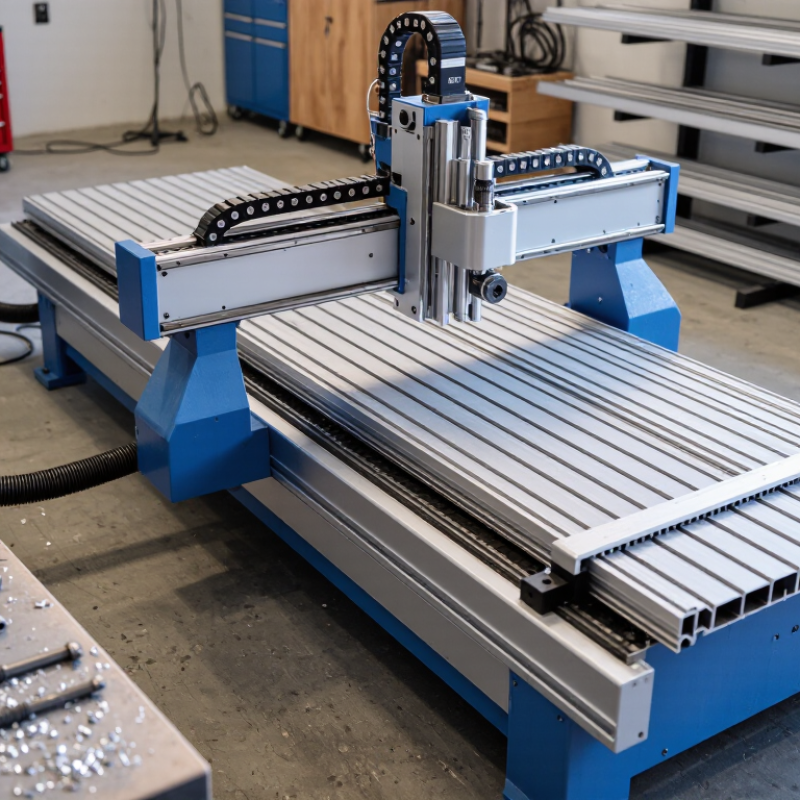
An aluminium profile CNC router is a computer-controlled machine that cuts and shapes long aluminium extrusions.

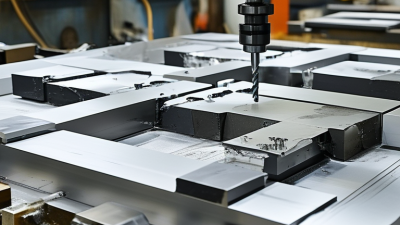
Its spindle turns a cutting tool while the gantry moves along programmed axes. The controller follows a toolpath created from a digital drawing. Depending on the cutter, the machine can trim ends, mill slots, drill holes, or create pockets. Clamps hold the profile steady on the bed. Even a small shift can spoil a row of mounting holes.

That matters.

Profile shapes vary. Some have hollow channels, narrow walls, or uneven surfaces, so the workholding setup needs attention. In practice, an operator loads the extrusion, sets a reference point, and checks the toolpath before cutting. Feed speed and spindle speed depend on the alloy, cutter, and cut depth. A test cut helps reveal chatter or rough edges. Not every setting transfers neatly from one profile to another.

Aluminium Profile For Cnc is a useful search phrase, but the right machine depends on profile length, required accuracy, and daily workload. It is tempting to focus only on spindle power. Yet clamping and chip removal can matter just as much. The first trial may need adjustment.

Common Router Types and Their Suitable Applications

Aluminium profile CNC routers vary in motion, rigidity, and workpiece capacity. The right type depends on the cuts required, profile size, and production volume. A 3-axis router moves along the X, Y, and Z directions. It suits drilling, slotting, trimming, and simple pocketing on flat profile faces. For window frames or machine enclosures, it can handle repeatable operations when profiles are clamped securely. Setup matters.

A 4-axis router adds rotation, allowing the cutter to reach several sides of a profile. This is useful for angled holes, end machining, and features that would otherwise require repositioning. Some machines use a rotary axis for long, narrow sections; others rotate the cutting head. Check how the axis works before buying, since similar labels can describe different capabilities. Not always obvious.

A 5-axis router tilts and turns the tool or workpiece, making compound angles and complex contours possible. It may suit architectural components or custom assemblies, but programming and setup take more skill. For high-volume, straight profile work, a dedicated profile machining center can be more practical than a versatile 5-axis machine. Compare usable travel, spindle power, clamping access, and chip extraction. Ask for a sample cut using your actual profile; a clean demo on a short piece may not reveal vibration or handling problems during longer runs.

Top Aluminium Profile CNC Routers Available for Sale

Top aluminium profile CNC routers for sale vary in frame stiffness, spindle power, working area, and control options. Match the machine to your actual profiles, not the largest part you might make someday. A rigid bed helps reduce vibration when cutting long aluminium sections, while a suitable spindle and sharp tooling support cleaner edges. Check the usable travel against your longest workpiece, including space for clamps. Small details matter. Ask the seller for a sample cut in the alloy and thickness you expect to process.

Tips: Request a written specification for spindle speed, axis travel, repeatability, and included accessories. Confirm how the machine handles profile clamping and chip removal. Aluminium chips can collect around fixtures, so guards and accessible cleaning areas are practical features. If possible, inspect a demonstration before purchase.

For Cnc Profile Aluminium work, compare service access, training, and replacement-part availability alongside the listed price. A lower-cost router may suit occasional jobs, but frequent production places greater demands on the frame and motion components. Check whether the controller supports your intended design workflow, and ask what setup help is included. Be cautious of vague accuracy claims; results also depend on tooling, workholding, and operator settings. I would leave room in the budget for proper cutters and a trial run. That part is easy to underestimate.

Key Specifications for Accuracy, Speed, and Capacity

Accuracy is more than a brochure’s resolution figure. Check positioning accuracy and repeatability separately, and ask for test results under ISO 230-2, which specifies methods for testing machine-tool positioning performance. For Cnc Aluminium Profile work, request a cut sample with measured slot width and hole position. A cold machine may perform differently after hours of cutting. Thermal drift matters.

Speed figures need context. Ask for feed rates on the aluminium alloy, tool, and cut depth you actually plan to use; maximum spindle rpm alone says little about cutting capacity. The Aluminum Association’s 2024 Aluminum Statistical Review reports roughly 25 billion pounds of U.S. and Canadian industry shipments in 2023, a reminder that production needs vary widely. Match spindle torque and chip evacuation to your expected workload. Fast is not always stable.

Capacity is practical, not just a table-size number. Check usable travel, Z clearance, fixture height, and support for long extrusions. Bring a drawing and a representative profile when comparing machines. Small detail. Ask suppliers to document test conditions, too; otherwise, two impressive figures may not be comparable. I would still treat any quoted tolerance cautiously until it is verified on your setup.

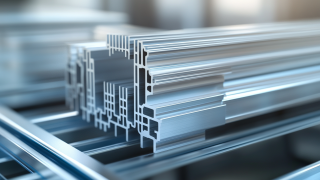
Choosing profile capacity: These illustrative profile lengths represent different machine-bed sizes, not specifications for particular models. Compare usable X-axis travel with your longest workpiece, and confirm loading clearance and support requirements with the supplier.

How to Compare Prices, Suppliers, and Support Services

When comparing aluminium profile CNC routers, look beyond the headline price. Ask for an itemized quote covering the spindle, controller, tooling, freight, installation, and operator training. A lower offer may exclude useful extras. Price matters.

Check whether each supplier can show machine specifications and a sample cut on your profile size. Ask about positioning accuracy, repeatability, clamping options, and extraction requirements. For Cnc Machining Aluminum Profile work, request a test using a similar alloy and wall thickness. Inspect the edges, hole positions, and burrs, not just the sales video. Small differences matter.

Support can determine how quickly production resumes after a fault. Confirm response hours, remote diagnostic options, spare-part availability, and the cost of an on-site visit. Ask for the service terms in writing, including warranty limits and response targets. A clear answer is reassuring; a vague promise is not. Comparing suppliers takes time, and a polished demonstration cannot reveal every weakness. It is easy to overvalue a fast quote and overlook setup effort. That can sting.

A Step-by-Step Guide to Choosing the Right CNC Router

Top Aluminium Profile CNC Routers for Sale and Buying Guide

Choosing a CNC router starts with the profiles you actually plan to machine. Measure their maximum length, width, and height, then compare those figures with the machine’s usable travel. Leave room for clamps, end stops, and loading. Measure twice. A long profile may fit on the bed but still be difficult to support safely.

Match the spindle and tooling to your material and workload. Aluminium generally benefits from sharp, suitable cutters, steady chip removal, and controlled cutting parameters. Ask the supplier for recommended spindle speed and feed ranges for your intended alloys and profile shapes. A more powerful spindle is not automatically better; rigidity and vibration control matter too. That matters.

Check how the machine holds workpieces. T-slot beds and vacuum systems suit different jobs, while long or irregular profiles may need additional fixtures. Review the controller, tool-changing options, dust and chip management, and available service support. Request a sample cut using a comparable profile, and inspect its edge quality and dimensions.

It is easy to overbuy here.

Consider installation space, operator training, maintenance, and total cost, not just the purchase price. If the supplier cannot explain setup requirements clearly, pause and ask more questions. A tidy specification sheet does not guarantee an easy production day.

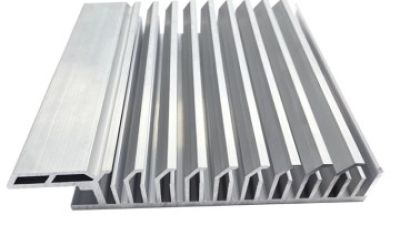
Aluminum Profile Radiator Heat Sink Design: Market Insights from MarketsandMarkets’ Aluminum Extrusion Market Report

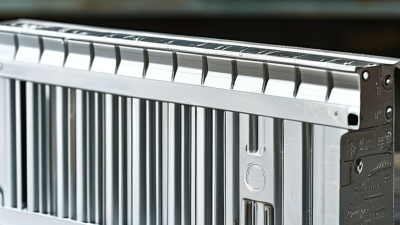
Aluminum profile radiator heat sinks illustrate how the aluminum extrusion market serves the evolving needs of electronics and industrial equipment. Extrusion allows manufacturers to form long, consistent profiles with closely spaced fins, creating a large surface area for heat transfer while supporting a range of component shapes and sizes. As equipment becomes more compact and power-dense, thermal management is an important design consideration, encouraging demand for adaptable cooling components that can be integrated into different product configurations.

Made from high-thermal-conductivity aluminum alloy, these passive heat sinks absorb heat from operating equipment and release it into the surrounding air through conduction and convection. Their performance depends on factors such as fin geometry, airflow, available installation space, and the heat load of the application. For buyers and designers, market considerations include balancing cooling capacity with material use, manufacturing consistency, and ease of assembly. Extruded profiles can be cut and adapted for varied applications, making them a practical option across electronic and industrial systems.

FAQS

What does an aluminium profile CNC router do?

It cuts and shapes long aluminium extrusions. Common tasks include trimming ends, drilling holes, milling slots, and creating pockets.

How does the machine follow a design?

A controller follows a toolpath made from a digital drawing. The spindle rotates the cutter as the gantry moves along programmed axes.

Why does clamping matter so much?

Clamps keep the profile steady during cutting. Even a small shift can misplace a row of mounting holes. That ruins the detail.

What machine capacity should I check?

Measure your longest, widest, and tallest profiles. Compare them with usable travel, Z clearance, and fixture height. Leave space for clamps and supports.

How can I judge cutting accuracy?

Ask for positioning and repeatability test results. Request a sample cut with measured slot widths and hole positions. Check it on your setup.

Does a higher spindle speed mean faster production?

Not necessarily. Cutting performance depends on the alloy, cutter, cut depth, spindle torque, and chip removal. Fast is not always stable.

How do I choose suitable workholding?

T-slot beds and vacuum systems suit different jobs. Long or uneven profiles may need extra fixtures. A test setup can reveal problems.

What should I inspect in a sample cut?

Check edge quality, slot width, hole position, and signs of chatter. Test the profile you actually plan to machine, not a convenient substitute.

What costs should I consider beyond the machine price?

Include installation space, operator training, maintenance, fixtures, and service support. A neat specification sheet may not predict an easy production day.

Should I expect the first settings to work perfectly?

Probably not. Start with a test cut and adjust feed, spindle speed, or clamping as needed. I would still verify every quoted tolerance.

Conclusion

An Aluminium Profile Cnc Router is designed to cut, drill, slot, and shape aluminium profiles with controlled precision. Its main components typically include a worktable, spindle, motion system, cutting tools, and computer-based controls. Different router configurations suit different needs, from straightforward profile processing to more demanding production involving varied shapes, longer workpieces, or multiple operations.

When comparing routers for sale, consider the accuracy, cutting speed, working dimensions, spindle capacity, and compatibility with the profiles you plan to process. Price is only one part of the decision: compare supplier experience, installation guidance, training, warranty terms, and after-sales support as well. To choose confidently, define your materials and production goals, shortlist suitable machine types, check specifications against your workload, and assess the complete cost of ownership. A careful comparison helps you select a machine that balances performance, capacity, and dependable support.