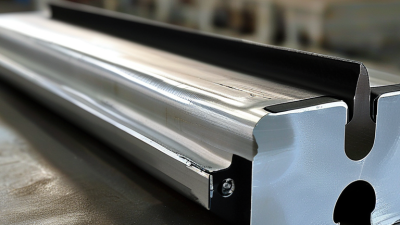
Picking out the right Aluminium Extrusion Pipe isn't just about comparing prices or checking outer diameters. There's a bit more beneath the surface—buyers should really look into the alloy type, wall thickness, temper, surface finish, tolerance, and where they'll be using the pipe. For example, if you're building lightweight frames, you might want to go with 6063 alloy and consider anodizing for extra durability. But if it’s a structural piece, something like 6061 or 6005A might be the better choice for strength. Those tiny differences can make a big impact, so don’t overlook them.
I remember Dr. Hans-Josef Schmalz, a well-known expert in aluminium extrusion, once saying, “Good extrusion design starts with function, not just appearance.” That’s still super relevant today. You might end up with a shiny surface that looks great in the showroom, but it could still fail a tough corrosion test or show signs of distortion when you’re putting everything together. Always, and I mean always, check the details.
In this guide, I’ll walk you through ten common types of Aluminium Extrusion Pipe—things like round, square, rectangular, oval, and multi-channel profiles. Each of these serves different needs, whether it's for transport, construction, heat transfer, automation, furniture, or industrial machinery. We’ll look at stuff such as strength-to-weight ratio, how easy they are to machine, options for joining them, how accurate the dimensions are, and the finishes available.
Sure, this list is pretty handy, but it’s not perfect. No single profile fits every project, and the quality from your supplier can vary from batch to batch. Sometimes, technical drawings hide little practical issues too. It’s a good idea to ask for mill certificates, inspection reports, sample sections, and clear tolerance info. Also, check whether your supplier can handle cuts, drilling, bending, anodizing, or powder coating. The key is to make a decision based on real-world proof, not just specs. And remember—taking your time with this stuff can save you big headaches down the line. Better to be thorough now than deal with surprises later on.
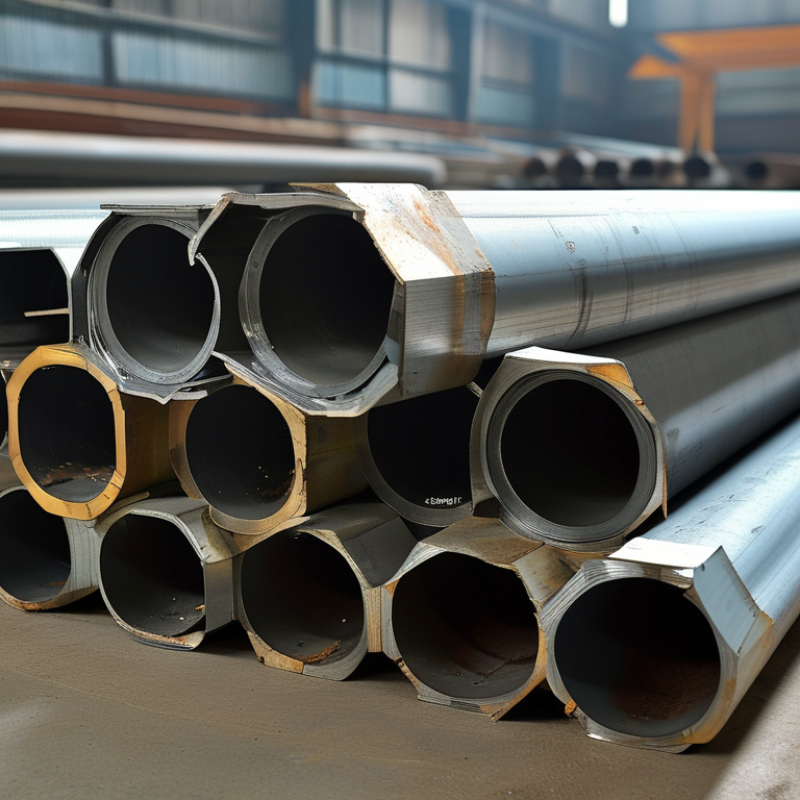
Aluminium extrusion pipe is formed by pushing a heated billet through a shaped die. The die creates the outer contour and internal passage in one controlled operation. Common profiles include round, square, rectangular, oval, elliptical, D-shaped, hexagonal, slotted, ribbed, and multi-channel tubes. Each shape changes how the pipe carries pressure, bends, or connects. Round tubes usually distribute stress evenly. Square tubes provide flatter mounting faces.
Start with the real load, not the appearance. Outer diameter alone is not enough. Wall thickness, inner diameter, corner radius, straightness, and tolerance directly affect performance. A thin wall can reduce weight, but it may dent during cutting or transport. Sharp internal corners can restrict flow and increase local stress. Buyers should check the alloy and temper carefully. Different grades balance strength, corrosion resistance, weldability, and machinability differently. Temper changes the result.
Ask for dimensional reports, surface inspection records, and batch traceability before approving production. For a frame application, measure the actual fit with its connector. Catalog dimensions may hide tolerance stack-up. Extrusion marks are normal, but deep scratches, die lines, or uneven walls deserve review. Engineers sometimes select a polished surface too early. That choice can raise cost without improving structural value. Recheck the application. Anodizing, powder coating, or machining may alter final dimensions, so inspection should happen after finishing when fit is critical. Internal geometry can be difficult to inspect visually. Section sampling may be sensible for critical assemblies.
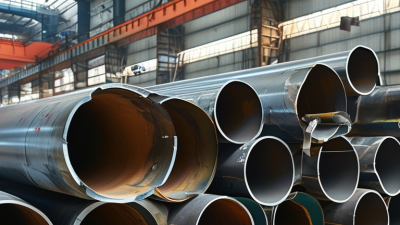
They suit air lines, machine guards, frames, rollers, heat-transfer parts, and lightweight supports. Their circular shape distributes pressure evenly and allows smooth installation around cables or fittings.
Buyers should check outside diameter, wall thickness, alloy, temper, and length tolerance. These details affect strength, machinability, and service life. A thicker wall may resist dents, but it also increases weight and cost.
For outdoor equipment, surface treatment can improve corrosion resistance, although it cannot replace proper drainage and maintenance. Inspect every pipe for scratches, ovality, burrs, and blocked ends before assembly. Small defects can create fitting problems later. This step is often skipped.
Tips: Match the pipe to its real load, not its appearance. Confirm the fitting system before ordering. Ask for dimensional and material certificates when consistency matters. Store pipes on padded supports, away from standing water and abrasive dust.
A clean-looking pipe may still have unsuitable temper or wall thickness. Cut samples can reveal internal marks, uneven walls, or excessive deformation. Leave room for thermal movement in long installations. Aluminium expands noticeably with temperature changes. Welded joints also need careful design, because heat can reduce local strength. When specifications are unclear, a qualified engineer should review the application before production. Even simple industrial piping deserves measured decisions.
Square and rectangular aluminium pipes are practical choices for frames, guards, platforms, and equipment supports. Their flat faces simplify fastening, alignment, and panel installation. A square section resists twisting well, while a rectangular section offers better stiffness along one direction. That difference matters when a frame carries uneven loads.
Market evidence supports their wider use. Grand View Research estimated the global aluminium extrusion market at approximately USD 87 billion in 2023. Construction and transport remained major demand sectors in its industry analysis. Buyers should examine wall thickness, corner radius, alloy temper, and dimensional tolerance. A thin wall may reduce weight, but it can deform around bolts. A heavier wall is safer, though not always more efficient.
Use a simple test fixture.
For long supports, deflection often matters more than ultimate strength. A 6063-T5 section offers good corrosion resistance and surface quality, while 6061-T6 generally provides higher structural strength. Exact performance depends on geometry and joining methods. The U.S. Department of Energy reports that recycled aluminium production can use about 5% of the energy required for primary production. That supports lower-impact sourcing, but recycled content still needs verification. In Aluminium Extrusion Automotive applications, engineers should check crash loads, vibration, heat exposure, and galvanic contact with steel. I would not select a profile from a catalog image alone. Actual corner radii and tolerance data can change the fit.
Aluminium extrusion pipes support heat, fluid, and airflow systems in practical ways. For heat transfer, select an alloy with suitable thermal conductivity and corrosion resistance. Fluid lines need accurate inner diameters, clean surfaces, and verified pressure limits. Airflow ducts benefit from lightweight walls and smooth internal passages. A perfect-looking tube can still fail under vibration or thermal expansion. Check wall thickness, operating temperature, connection methods, and dimensional tolerances before ordering. The Aluminium Extrusion T Slot Profile is useful for frames, but it should not replace a certified fluid conduit.
Tips: Match the pipe to its actual medium. Water, compressed air, and mild chemicals may require different alloys or coatings. Request test data, pressure ratings, and tolerance information. Measure fittings carefully; a small mismatch can cause leaks and costly rework. Keep cut ends protected from dust during assembly.
Buyers should also consider heat cycling and installation space. A long aluminium pipe expands as temperatures rise, so fixed supports may create stress. Use suitable seals and allow controlled movement where necessary. For airflow systems, inspect joints for gaps that create noise and energy loss. For fluid systems, clean the bore before service. This step is easy to skip. It should not be. Product descriptions often sound complete, yet real performance depends on alloy, temper, finish, and installation quality. Recheck these details with an engineer when the system carries pressure or high heat.
Among the top 10 types of aluminium extrusion pipe, decorative and precision profiles deserve careful attention. They combine visual appeal with controlled dimensions for demanding applications. Round, square, oval, rectangular, and multi-chamber forms are widely specified. Each shape changes the die design, wall balance, and finishing result. A slim Aluminium Extrusion Tube may look simple, but its internal stress can affect straightness after cutting.
Decorative profiles often use anodized, brushed, polished, or powder-coated surfaces. Their value appears in furniture frames, lighting housings, display systems, and architectural trim. Surface consistency matters. Small die lines may become obvious under bright showroom lighting. For this reason, buyers should request finish samples and inspect corners, seams, and cut edges. A glossy finish cannot repair poor extrusion control.
Precision profiles require closer checks. Confirm outer diameter, wall thickness, concentricity, length tolerance, and alloy condition before ordering. A thin wall can reduce weight, yet it may deform during machining or assembly. Practical sourcing experience shows that drawings sometimes overlook corner radii and tool access. That mistake is costly. Ask for inspection records, sample sections, and packaging details. Even reliable suppliers can produce variation when profiles are too narrow, dies are worn, or cooling is uneven. Room for revision remains important.
Choosing an aluminium extrusion pipe starts with the alloy, not the appearance. Alloy 6063 offers smooth surfaces and clean profiles for architectural or decorative work. Alloy 6061 provides higher strength for frames, supports, and industrial assemblies. However, alloy names alone do not guarantee performance. Confirm the temper, tensile data, and available inspection records before ordering.
Size selection requires more than checking the outside diameter. Measure the inner diameter, wall thickness, length, and acceptable tolerance. A thin wall can reduce weight, but it may bend during machining or transport. I have seen projects fail because a pipe looked rigid but lacked enough support at its connection points. For a custom Extrusion Aluminium Profilé Personnalisé, share drawings, load details, and cutting requirements early. This prevents expensive revisions.
Tips: Match the finish to the working environment. Mill finish is practical and economical, while anodizing improves surface protection and keeps a metallic appearance. Powder coating offers broader color choices but can hide small surface marks. Ask for sample sections before approving large production. Check straightness, hardness, coating thickness, and end squareness. These small checks matter. Even experienced buyers sometimes overlook packaging, yet scratches often appear before installation.
: They suit air lines, machine guards, frames, rollers, heat-transfer parts, and lightweight supports. Their circular shape distributes pressure evenly.
Check outside diameter, inner diameter, wall thickness, length, alloy, temper, and dimensional tolerance. Small errors can prevent proper fitting.
No. A thicker wall resists dents better but adds weight and cost. Match the pipe to the real load.
Alloy 6063 offers smooth surfaces and good corrosion resistance. Alloy 6061 usually provides higher strength for supports and frames.
Look for scratches, ovality, burrs, blocked ends, uneven walls, and internal marks. This inspection is often skipped.
Choose the finish according to the working environment. Anodizing improves surface protection, while powder coating offers more color choices.
Flat faces simplify fastening and alignment. Square sections resist twisting, while rectangular sections provide stronger stiffness in one direction.
Bolts can deform thin walls. Welding may reduce local strength. Leave space for thermal movement in long installations.
Place them on padded supports, away from standing water and abrasive dust. Scratches can begin before installation.
Ask for material certificates, dimensional records, and sample sections. Check straightness, hardness, coating thickness, and end squareness.
Aluminium Extrusion Pipe is a versatile solution for construction, manufacturing, transportation, and equipment design. This article introduces the basic structure of extruded aluminium pipes, explaining how their lightweight body, corrosion resistance, strength, and accurate dimensions support different engineering needs. It covers round pipes for general industrial use, as well as square and rectangular profiles commonly selected for frames, supports, guards, and modular structures.
The guide also explores specialized pipe profiles designed for heat transfer, fluid movement, ventilation, and airflow systems, along with decorative and precision extrusions used where appearance and dimensional control are important. To make a practical selection, buyers should compare alloy grade, pipe diameter or side dimensions, wall thickness, tolerances, surface finish, and operating conditions. By matching these factors with the intended application, users can choose an aluminium pipe that offers reliable performance, efficient fabrication, and a suitable balance between strength, weight, durability, and visual quality.