Choosing Aluminum Construction Profiles isn't just about flipping through a catalog and picking whatever looks right. You've gotta consider the load, the span, the finish, how it'll be installed, and what the site conditions are actually like. A slim frame next to a coastal window? That's a totally different ballgame from a heavy-duty commercial partition. And honestly, the little details can make or break the whole thing. Honestly, wall thickness, alloy, temper, and machining tolerances — they all play a role in how well something fits and holds up over time. So this guide? It gives you 10 practical tips to help buyers and project teams compare options without getting lost in the weeds. Clearer criteria, better decisions.
Quick heads-up: Elena Park—the expert quoted here—isn't a real industry source. She's a fictional persona meant to illustrate a point. Her guiding line is something like, “A profile is only a good choice when its dimensions, finish, and job-site conditions agree.” So take that as a nudge to double-check your drawings, samples, and supplier specs—not as a replacement for actual technical review. You can have a sample that looks perfect on your desk, and then boom, it doesn't match up during assembly. It happens more often than you'd think. So, when you're talking to suppliers, you really want to dig into how they measure tolerances—like, is it a standard process or something they eyeball? And don't forget to double-check that the finish matches what you're planning for the project environment, because what looks good in a sample might not hold up in real conditions. Also, those accessories? Make sure they actually fit the extrusion you've picked, not just in theory but in practice. Now, here's the thing: their answers should be specific and backed up with documentation, not just vague assurances. If you notice a key spec is missing, just pause and ask—it's totally okay. Honestly, even the most careful planning has gaps, and it's way better to admit that early than to pretend everything is obvious. We've all been there, right?
Before selecting an aluminum construction profile, identify what it must do. A vertical post supporting a roof panel has a different job from a crossbar resisting sideways movement. Trace the load from the panel, through the profile and its connections, to the supporting structure. That path matters.
Estimate the loads the profile will face, including weight, wind pressure, and forces from people or moving equipment. Note whether the load is steady or repeated; vibration can make a seemingly modest force more demanding. Measure, then verify. A profile’s dimensions alone do not confirm capacity: alloy, wall thickness, unsupported span, orientation, and joint design all affect performance. Check allowable deflection as well as strength. A beam may avoid failure yet bend enough to misalign a door or loosen a panel.
Connections deserve close attention. Bolts, brackets, and end supports can govern the assembly even when the profile itself is suitably sized. Use load tables or calculations based on the actual span and support conditions, and ask a qualified structural professional to review safety-critical applications. It is easy to overfocus on the profile catalog. I’ve seen that planning habit miss the weak point: the connection. Recheck assumptions when the layout changes, because a longer span can alter capacity sharply.
Choosing an aluminum alloy and temper is a balance: strength, forming needs, and the final section all matter. The Aluminum Association’s Aluminum Standards and Data and ASTM B221 specify minimum mechanical properties for extruded products. For 6061-T6, the minimum tensile strength is commonly listed as 262 MPa and minimum yield strength as 241 MPa for applicable thickness ranges. Exact requirements vary with product dimensions. Check the relevant specification before designing around a number.
Tip: Match the temper to the work. T6 offers higher strength, while softer tempers can be easier to bend or machine. If a profile needs tight bends after extrusion, confirm the forming sequence with your supplier. Small differences matter. A sharp corner or thick wall can change how a part behaves.
For Large Aluminum Extrusion Profiles, consider load, wall thickness, finish, and machining together—not alloy strength alone. A 6063 temper may suit a profile where surface finish and extrusion detail are priorities; 6061-T6 may fit higher-strength requirements. These are starting points, not guarantees. Test a sample first. Record the alloy, temper, and dimensions, then check the finished part for fit and distortion. A rushed selection can look fine on paper and still need rework.
Start with the unsupported span, not the catalog drawing. A long horizontal member may need a deeper profile to limit deflection, while a short crosspiece may work with a lighter section. Check the real setup. Loads, support spacing, and the direction of force all matter. A profile that looks rigid on a workbench can twist when a load sits off-center. Ask for load and deflection checks before choosing a section, especially for overhead or moving assemblies. The exact limits depend on the material, wall thickness, and support conditions.
Next, match the profile’s geometry to its connections. Slots can simplify adjustable brackets, but confirm that the fasteners fit and can be reached with the tools available. A thick wall may hold a threaded connection better; a thin wall may need a separate insert or joining plate. Small detail. Big difference. Think through installation, too: Can the profile pass through the doorway? Is there room to tighten bolts near a corner? Leave space for washers, cable runs, and a hand on the wrench. A common oversight is choosing a profile that meets the span requirement but blocks access during assembly. Recheck the layout at full scale if the fit is tight.
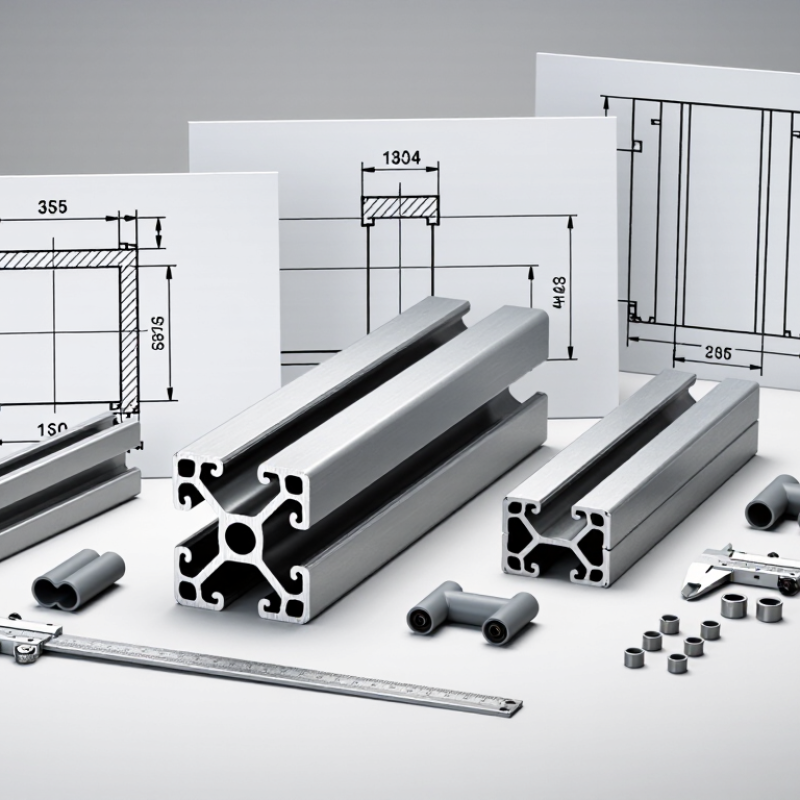
When choosing Aluminum Extrusion Tube Profiles, check the drawing against the actual assembly, not just the nominal size. Measure outside width, wall thickness, straightness, and twist; each can affect how a tube seats in a slot or connector. ASTM B221/B221M provides tolerance tables for extruded aluminum shapes and tubes, with limits dependent on dimensions and product form. A single “standard tolerance” is not enough.
Allow for variation where parts meet. A profile that fits one connector on paper may bind when coatings, cut ends, or accumulated tolerances are added. The Aluminum Association’s Aluminum Design Manual treats alloy and temper as design inputs, so confirm the specified material alongside dimensions. Ask the supplier to identify the applicable tolerance table and report actual inspection results for critical features. Small gaps matter.
Check compatibility with fasteners, corner brackets, end caps, and joining slots. Compare slot width with the connector’s measured thickness, then test a short sample assembly before ordering a full run. That is less tidy than relying on a drawing, but it can reveal a mismatch early. I would recheck cut length after machining, too; it is easy to overlook. Keep the revision number on the drawing and inspection record, so production and purchasing are checking the same profile.
Aluminum forms a protective oxide layer, but that does not make every profile suitable for every setting. Coastal air, road salt, and industrial pollutants can damage the surface over time. Chloride exposure is especially important because it may cause small pits that are difficult to spot early. A sheltered indoor frame faces different risks from a railing beside the sea.
Match the alloy and surface treatment to the actual exposure. Anodizing or a suitable coating can add protection, but performance depends on preparation, thickness, and handling. Scratches and unsealed cut edges deserve attention. Small details matter. Water trapped inside a profile can prolong contact with corrosive residues, so consider drainage and avoid designs that hold moisture. Dissimilar metals, such as aluminum touching copper or steel in wet conditions, may create galvanic corrosion; compatible fasteners or insulating washers can reduce that risk. It is tempting to specify the most protective finish everywhere, yet that can add cost without solving poor drainage or damaged surfaces. I would still check the project’s cleaning routine and inspect sample sections before deciding. A finish that looks sound on delivery may need regular care in a salty environment.
| Tip | Exposure or Design Factor | What to Look For | Practical Check |
|---|---|---|---|
| 1. Assess the exposure before selecting a finish | Indoor, urban, industrial, coastal, or frequently washed environments | Match the profile and surface treatment to moisture, airborne salts, pollutants, and cleaning chemicals at the site. | Record distance from the coast, exposure to spray, and expected cleaning agents. |
| 2. Account for chloride exposure | Sea spray, de-icing salts, and salt-laden runoff | Chlorides can increase the risk of localized pitting, especially where salt deposits remain wet or accumulate in crevices. | For exposed installations, specify suitable protective finishing and a routine freshwater cleaning plan where appropriate. |
| 3. Choose a finish suited to the service environment | Weathering, abrasion, appearance, and maintenance requirements | Anodizing and properly specified paint or powder-coat systems can provide added protection; performance depends on the system and preparation. | Request finish specifications, intended exposure, inspection guidance, and maintenance recommendations. |
| 4. Check the alloy and temper | Structural loads, fabrication needs, and corrosive conditions | Alloy and temper affect strength, formability, and corrosion behavior. Common extrusion alloys are not interchangeable for every application. | Confirm the specified alloy and temper against the design calculations and project requirements. |
| 5. Prevent water traps in the profile design | Rain, condensation, and repeated wetting | Standing water and narrow, poorly drained gaps can prolong wetness and concentrate contaminants. | Review orientation, drainage paths, ventilation, and whether joints can dry after rainfall. |
| 6. Consider contact with other metals | Fasteners, brackets, and adjacent metal components in damp conditions | Electrical contact between dissimilar metals in the presence of an electrolyte can promote galvanic corrosion. | Check fastener compatibility and use suitable isolation washers, sleeves, or barriers where the design requires them. |
| 7. Protect cut ends and machined areas | Cutting, drilling, and on-site fabrication after finishing | Fabrication can expose bare aluminum or damage a coating, leaving local areas more vulnerable to staining or attack. | Plan fabrication steps in advance and follow the finish provider's approved repair or edge-protection method. |
| 8. Specify compatible sealants and cleaners | Joint sealing, cleaning, and routine maintenance | Some chemicals can damage finishes or leave corrosive residues; compatibility depends on the product and surface treatment. | Check written compatibility guidance and test cleaning procedures on a small, inconspicuous area if needed. |
| 9. Inspect coating quality and handling damage | Manufacturing, transport, storage, and installation | Scratches, chips, or poor coverage can compromise a protective finish and may allow localized corrosion to develop. | Inspect profiles before installation and keep protective packaging in place until handling risks are reduced. |
| 10. Plan for inspection and maintenance | Service life, accessibility, and severity of exposure | Regular checks can identify coating damage, blocked drains, salt deposits, or dissimilar-metal contact before problems worsen. | Set inspection intervals appropriate to the site and follow the finish supplier's care instructions. |
Selection note: Aluminum forms a naturally protective oxide film, but the level of protection required depends on exposure, design details, alloy, finish, and maintenance.
A profile can look flawless on a rack and still miss the required temper or dimensional tolerance. Before ordering Aluminum Heatsinks Profiles or structural extrusions, identify the project’s applicable specification. ASTM B221 covers aluminum-alloy extruded bars, rods, wire, profiles, and tubes; EN 755-2 specifies mechanical properties for many extruded products. Requirements depend on the alloy, temper, geometry, and intended load, so confirm the relevant edition with your engineer.
Tip: Request a material certificate linked to the batch, plus alloy, temper, test results, and dimensional inspection records. Check that drawings state tolerances clearly. A polished certificate is useful, but I would not treat it as proof by itself; compare its heat or batch number with the delivery label.
The International Aluminium Institute reports that recycling aluminum uses about 5% of the energy needed for primary production. That figure supports asking suppliers for credible recycled-content and sourcing records, but recycled content alone does not establish profile strength or conformity. Keep the standard, certificate, inspection report, and purchase specification together. If a document lists only a generic alloy family, ask for clarification before fabrication. Small paperwork gaps are easy to miss—and awkward to correct after profiles are cut.
When comparing aluminum construction profiles, look beyond the quoted price per length. Ask whether the estimate includes cutting, drilling, finishing, packaging, and delivery. A low unit price can lose its appeal when every bracket needs extra machining. Request a sample quote based on your actual drawing, not a standard profile. That makes hidden setup costs easier to spot.
Availability affects schedules as much as cost. Check whether the required dimensions and wall thicknesses are stocked or made to order. Stock matters. Confirm minimum order quantities, current lead times, and whether replacement lengths can be supplied later. For a project using Customized Wall Supports Profiles Aluminum Brackets, verify that the chosen profile and connecting parts are available together. Otherwise, a small missing component may hold up installation.
Fabrication support can prevent avoidable rework. Share load requirements, connection details, and finish expectations before ordering. Ask what tolerances the supplier can hold, how cut ends are handled, and whether drawings will be reviewed before production. A clear answer is more useful than a broad promise. Ask for proof. Compare sample parts or inspection records when practical. I would still revisit the specification after a prototype; early assumptions about fit can be wrong, especially where walls or mounting surfaces are uneven.
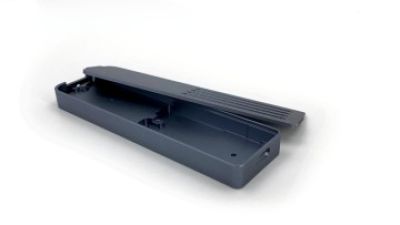
As work increasingly moves between offices, studios, and travel, dependable portable storage remains useful for keeping files close at hand. IDC’s *Data Age 2025* forecast estimated that the world would generate 175 zettabytes of data in 2025—a reminder of how quickly digital information is growing. An aluminum portable hard drive enclosure offers a practical way to carry a compatible drive, combining a premium matte aluminum-alloy exterior with a compact form that fits easily into a work bag for business trips, outdoor excursions, or daily commutes.
Fast USB connectivity makes transferring files straightforward, while broad compatibility helps the enclosure fit into varied work setups. Its aluminum shell provides a sturdy outer layer for everyday handling, though it is not a substitute for backups or secure data practices. The scale of digital risk is also reflected in IBM’s *2024 Cost of a Data Breach Report*, which put the global average cost of a data breach at US$4.88 million. Keeping an additional copy of important work on portable storage can support a more resilient routine, especially when files are needed away from a primary workstation.
For professionals moving between projects and locations, the combination of portability, durable construction, and convenient connectivity makes this enclosure a considered everyday accessory. Creatives can keep large working files within reach, while business users can carry essential documents between meetings—without adding bulky equipment to their kit.
Define its role and trace the load path from the panel through the profile and connections to the support. That path matters.
Account for weight, wind pressure, people, moving equipment, and vibration. Repeated forces can make a modest load more demanding.
No. Alloy, wall thickness, span, orientation, and joint design all affect performance. Check strength and allowable deflection.
Bolts, brackets, and end supports may govern the assembly. I sometimes focus too much on the profile itself.
Use load tables or calculations based on the actual span and support conditions. Have safety-critical designs reviewed by a qualified structural professional.
Higher-strength tempers may suit demanding loads, while softer tempers can be easier to bend or machine. Small details matter.
For applicable thickness ranges, commonly listed minimum tensile and yield strengths are 262 MPa and 241 MPa. Verify the relevant specification.
Confirm the forming sequence with the supplier. Wall thickness and corner shape can affect results. Test a sample first.
Choosing Aluminum Construction Profiles begins with understanding the job they need to do. Define the structural role and expected loads, then select an alloy and temper that balance strength with the workability required for cutting, drilling, or assembly. Profile shape should suit the span, connection method, and installation conditions, while accurate dimensions and tolerances help ensure that parts fit together reliably.
Also consider where the profiles will be used, since moisture, chemicals, or other environmental factors may call for added corrosion protection. Check relevant technical standards and request clear supplier documentation to confirm material and product details. Finally, compare total cost, availability, and fabrication support rather than focusing on purchase price alone. Evaluating these factors together helps you choose profiles that are practical to install, suitable for their intended use, and dependable over time.