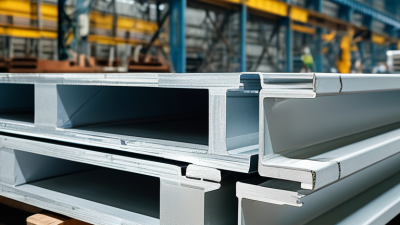
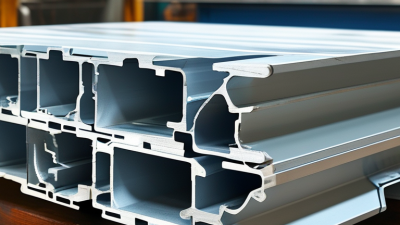
Lately, the aluminum profile machining world has seen some pretty impressive progress. I came across this report from MarketsandMarkets, and it says that the global CNC machining market might hit around $100 billion by 2025. That’s mostly because more industries are looking for lightweight materials — especially in auto and aerospace sectors where precision really matters. Companies like Alcoa and Hydro Extrusions are totally leading the charge with some pretty cool tech. They’re all about streamlining Cnc Machining Aluminum Profile processes, which can really boost productivity and cut down on waste. But, honestly, it’s not all smooth sailing. Many manufacturers still struggle with issues like tool wear and misalignment, which can mess up the quality of the machining. Figuring out how to get around these problems takes a mix of experience and constant tweaking. Developing a smart, cost-effective approach to aluminum profile machining isn’t just about chasing the newest tech — it’s also about taking a good, hard look at your current methods and being open to change. When you find the right balance, it can really improve output without sacrificing quality, and that’s good news for everyone involved in the supply chain.
Understanding Aluminum Profile Machining: An Overview
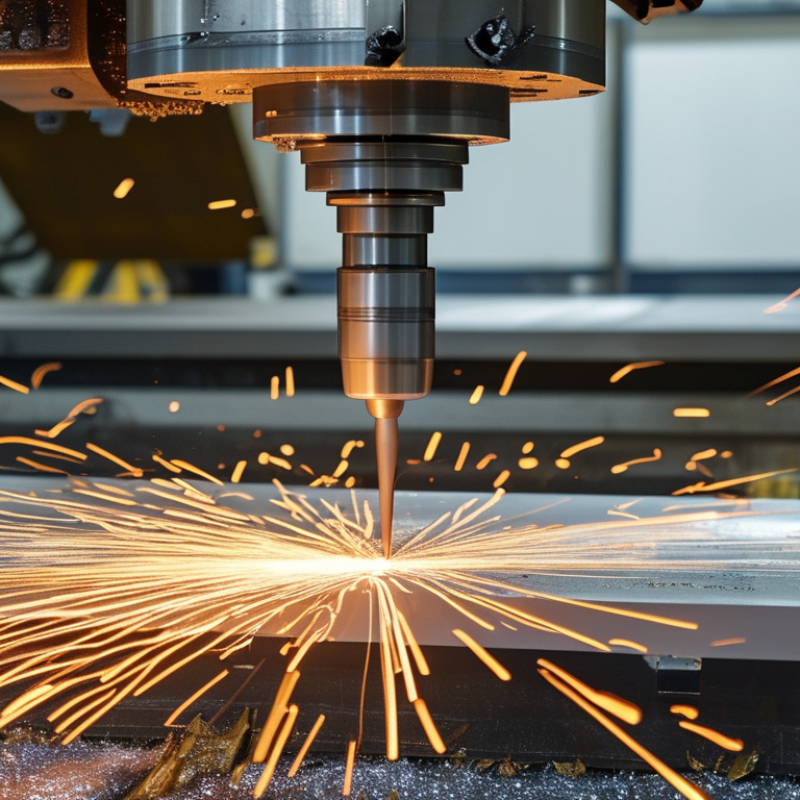
Understanding aluminum profile machining involves recognizing key factors that influence efficiency and quality. Aluminum is lightweight and offers great strength, making it ideal for a range of applications. According to a recent industry report, the global aluminum machining market is projected to grow by 4.5% annually, emphasizing its increasing relevance in manufacturing.
Effective machining requires selecting the right tools and techniques. Tool wear can significantly affect production speed and precision. A study highlighted that improper tool selection can lead to a 30% increase in cycle time. Additionally, managing coolant flow is crucial. High-quality coolant reduces friction and prolongs tool life. Despite its importance, many shops overlook this aspect, leading to inefficiencies.
Furthermore, optimizing machining parameters such as speed and feed rates is essential. Machining aluminum at the wrong parameters can result in poor surface finish and increased scrap rates. Research indicates that a 10% increase in feed rates can enhance production efficiency, but it also requires careful monitoring to avoid tool damage. Continuous training and adaptation of operators are key to leveraging these advancements effectively.
Essential Tools and Equipment for Efficient Machining
When it comes to aluminum profile machining, having the right tools is crucial. A high-quality Aluminum Profile Machining Center can make a significant difference in efficiency. This equipment often includes advanced CNC systems that enhance precision. The integration of CAD/CAM software enables more accurate designs and reduces errors. Investing in such machinery can lead to smoother operations.
In addition to CNC equipment, proper tooling is vital. End mills and drills specifically designed for aluminum are essential. These tools allow for clean cuts and minimize burr formation. It's also important to consider coolant systems to prevent overheating. The right coolant can extend tool life and improve machining outcomes. Regular maintenance of tools is often overlooked but can have long-term benefits.
Workholding solutions play a critical role as well. Clamps and fixtures should securely hold aluminum profiles during machining. Lack of stability can lead to inaccuracies and wasted materials. Reflection on current methods can reveal areas for improvement. Evaluating setups regularly can unveil inefficiencies and opportunities for enhancement in the machining process.
Top Tips for Efficient Aluminum Profile Machining
The chart above illustrates key metrics that influence the efficiency of the aluminum profile machining process. Optimizing parameters such as cutting speed, feed rate, coolant flow rate, and managing tool wear can significantly improve overall machining performance.
Key Techniques for Precision in Aluminum Profile Cutting
Precision is crucial in the aluminum profile cutting process. One effective technique is to use high-quality tooling. Sharp blades and appropriate cutting tools ensure clean edges. Dull tools can lead to jagged cuts and wasted material. Regularly inspect and maintain equipment for consistent performance. This practice not only enhances accuracy but also prolongs tool life.
Another key aspect is proper machine settings. Each aluminum alloy may require different cutting speeds and feed rates. Adjusting these parameters can significantly impact the quality of the final product. Cutting too fast might generate excessive heat, leading to distortion. Conversely, cutting too slowly may reduce efficiency. Finding the right balance demands experience and careful testing.
Lastly, consider the work environment. A clean and organized workspace contributes to effective machining. Remove debris that can cause accidents or damage components. Lighting is also essential; operators need to see detailed markings clearly. Even small distractions can lead to mistakes, so create a focused work atmosphere. These elements ensure a more reliable cutting process and enhance overall efficiency.
Best Practices for Setting Up the Machining Workflow
Setting up an efficient workflow for Aluminum Profile Machining is crucial for maximizing productivity. Research indicates that 40% of manufacturing delays are attributed to inefficient setup processes. Therefore, a strategic approach can significantly reduce downtime and improve output quality. Start by mapping out each step in the machining process. This visual guide ensures all team members understand their roles and responsibilities.
Regular maintenance of machinery is essential. A report from the Manufacturing Institute found that well-maintained machines can improve production efficiency by 20%. It ensures machines perform optimally, reducing unplanned breakdowns. Furthermore, consider implementing automation where possible. Automated systems not only streamline the workflow but also help in reducing human error, which is critical in Aluminum Profile Machining.
Training staff effectively creates a more competent team. According to a recent study, companies that invest in employee training see a 10% increase in overall productivity. Continuous training keeps the team updated with best practices and emerging technologies. Reflect on the current practices; identify bottlenecks and areas needing improvement regularly. This proactive approach leads to a more resilient Aluminum Profile Machining process.
Minimizing Waste: Tips for Efficient Material Usage
Minimizing waste in aluminum profile machining is crucial for cost-efficiency. One effective way to achieve this is through precise planning. Analyze your design carefully before commencing production. Understand the dimensions and required cuts. Even small mistakes in cutting can lead to significant material waste.
Optimize your tooling setup to ensure the highest accuracy. A well-calibrated machine can make a difference in material usage. It's essential to maintain your tools regularly. Dull tools can lead to miscalculations. Check machine settings frequently to ensure every cut is as intended.
Consider using nesting software. This technology helps layout the profiles on the material. It minimizes leftover sections and maximizes use. Yet, be aware of software limitations. Manual adjustments might be necessary to achieve the best configuration. Regularly review production outcomes to identify areas for improvement. Implementing a feedback loop can lead to refining your practices over time.
Top Tips for Efficient Aluminum Profile Machining Process - Minimizing Waste: Tips for Efficient Material Usage
| Tip | Details | Expected Waste Reduction (%) |
| Optimize Cutting Paths | Utilize software to determine the most efficient cutting paths for profiles. | 20% - 30% |
| Material Nesting | Arrange parts on the raw material to minimize scrap. | 15% - 25% |
| Regular Maintenance | Ensure tools and machines are maintained for optimal performance. | 5% - 10% |
| Employee Training | Train staff on best practices and efficient machining techniques. | 10% - 20% |
| Use of Advanced Machining Tools | Incorporate CNC machines with better precision. | 15% - 25% |
Quality Control Measures During the Machining Process
Quality control is vital in the Cnc Aluminum Profile machining process. It ensures that each component meets specific standards and reduces the likelihood of defects. According to a report by the International Journal of Advanced Manufacturing Technology, poor quality control can increase production costs by up to 30%. By implementing strict monitoring protocols, manufacturers can identify issues early and reduce waste significantly.
During machining, regular checks on dimensions and surface finish are essential. The use of automated inspection systems can enhance precision. A study by the Society of Manufacturing Engineers indicates that companies using automation in quality control see a 25% reduction in errors. This improvement translates to higher customer satisfaction and lower operational costs.
However, the reliance on technology may inadvertently overlook human factors. Inadequate operator training can lead to mistakes during the setup and monitoring phases. Regular training sessions and hands-on practice can bridge this gap. Investing in skilled labor and robust training programs is just as crucial as the machining technologies themselves. The combination of technology and human expertise forms a comprehensive approach to quality control in Cnc Aluminum Profile Machining Centers.
Troubleshooting Common Issues in Aluminum Machining
When it comes to troubleshooting common issues in aluminum machining, several factors can impact the process. First, operators may notice poor surface finishes. This can stem from dull tools. Regularly inspect and replace cutting tools to maintain sharpness. Additionally, improper feeds and speeds can lead to inadequate cutting performance. Fine-tuning these parameters is essential for achieving optimal results in Extrusion Aluminum Profile CNC Machining.
Another issue is chip buildup, which can interfere with the machining process. This occurs when chips are not effectively removed. To address this, ensure that your coolant and chip removal systems are functioning properly. Consider the use of high-pressure coolant systems to enhance chip evacuation. Remember, inefficient chip removal can also lead to overheating and tool wear.
Lastly, dimensional inaccuracies can occur in machined parts. This can result from machine misalignment or incorrect setups. Regular calibration and alignment checks are crucial. Assess the entire machining process holistically to identify potential sources of error. Sometimes, troubleshooting reveals underlying problems that were previously overlooked. The key is to maintain vigilance and a systematic approach in your operations for successful Extrusion Aluminum Profile Cnc Machining.
Enhancing Thermal Management in Semiconductor Devices: Insights from Recent Industry Reports on Aluminum Heat Sink Efficiency
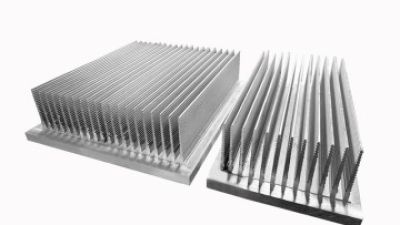
The efficient thermal management of semiconductor devices has become increasingly crucial as electronic components continue to miniaturize and operate at higher power densities. Recent industry reports indicate that aluminum heat sinks play a vital role in maintaining optimal operating temperatures within these devices. With thermal conductivity levels reaching up to 205 W/m·K, aluminum is preferred for its ability to quickly absorb and dissipate heat generated during operation, ensuring the reliability and longevity of semiconductor components.
Industry analyses suggest that the implementation of aluminum heat sinks can reduce thermal resistance by up to 30% compared to other materials such as copper. This efficiency is particularly evident in high-performance applications, where even slight improvements in thermal management can enhance device performance and reduce the risk of thermal runaway. Reports from thermal management experts indicate that proper heat sink design, including optimal fin arrangements and dimensions, can lead to significant improvements in heat dissipation effectiveness, enabling devices to maintain performance under demanding conditions.
Moreover, the adaptability of aluminum heat sinks, combined with their cost-effectiveness, makes them an attractive choice for various semiconductor applications, from consumer electronics to industrial systems. In the age of rapid technological advancement, leveraging aluminum’s superior thermal properties is essential for manufacturers striving to push the limits of device performance while ensuring operational safety and reliability.
FAQS
: Precision ensures clean edges and minimizes waste. It enhances the quality of the final product.
Regularly inspect and replace dull blades. Sharp tools are essential for achieving accurate cuts.
Adjust cutting speeds and feed rates according to the specific alloy. This impacts cut quality significantly.
A clean and organized workspace helps maintain focus. Good lighting is also crucial for visibility.
A well-planned workflow reduces delays and enhances productivity. It helps clarify team members' roles.
Implementing automated systems reduces human error. It can streamline the workflow significantly.
Continuous training updates the team on best practices. It leads to improved overall productivity.
Dull tools and improper feeds can lead to poor finishes. Regular tool maintenance is essential.
Ensure coolant and chip removal systems are functional. High-pressure systems can enhance chip evacuation.
Regularly check machine calibration and alignment. This helps uncover and correct underlying setup issues.
Conclusion
Aluminum Profile Machining is a specialized process that requires a comprehensive understanding of techniques and tools to achieve precision and efficiency. Key to this process is the selection of essential machinery and equipment designed for effective aluminum cutting and handling. Implementing best practices in setup not only streamlines the workflow but also minimizes material waste, ensuring optimal usage and cost efficiency.
Additionally, incorporating robust quality control measures throughout the machining process helps maintain high standards and address any potential issues swiftly. By focusing on troubleshooting common challenges, operators can improve their machining practices, ultimately leading to enhanced product quality and operational productivity. Understanding these critical aspects of Aluminum Profile Machining can significantly impact the success of projects in this field.