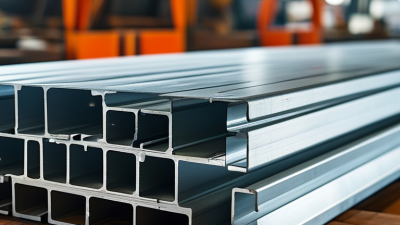
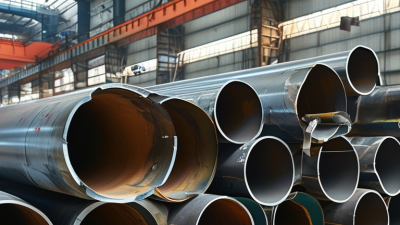
Navigating the world of manufacturing can feel pretty complex, especially when you're trying to get a handle on things like Cnc Machining Aluminum Profile. Experts such as John Smith from Advanced Machining Solutions often remind us that, "Getting the details right in CNC machining can really make or break your project." That just goes to show how crucial precision and know-how are in this field.
A lot of folks looking to buy CNC machined aluminum profiles tend to overlook some pretty important factors. Things like picking the right material and tweaking the machining settings can totally change the quality of the final product. Honestly, every little decision counts. The combo of tooling choices, feed rates, and coolant types really forms the core of a successful machining process.
If you team up with experienced pros, you'll get a lot of valuable insights, especially about avoiding the typical pitfalls. It’s common for newcomers to underestimate how much impact even small tweaks in the machining settings can have—those tiny adjustments can sometimes mean the difference between a smooth project and wasted materials or delays. Keeping these challenges in mind can help you make smarter decisions and improve your results overall. So, staying up-to-date with industry best practices is definitely a smart move if you want to nail your Cnc Aluminum Profile projects.
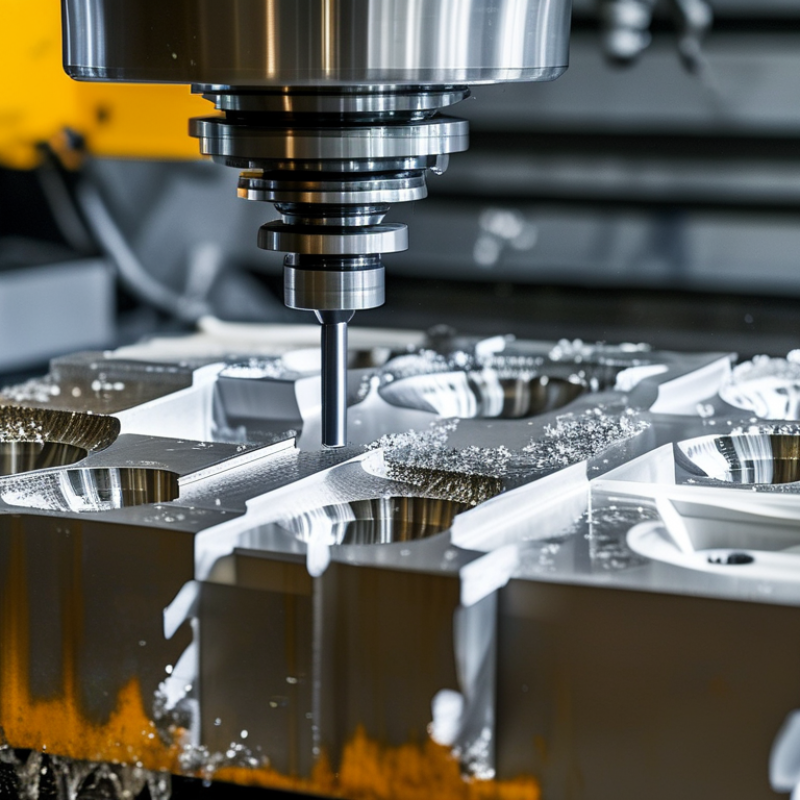
Understanding CNC Machining and Its Applications in Aluminum Profiles
CNC machining is crucial for shaping aluminum profiles. This advanced technology allows for precision and efficiency in manufacturing. Understanding how CNC machining operates is essential for buyers. It involves computer-controlled tools that shape materials with great accuracy. In aluminum applications, this leads to lightweight, strong components.
When considering CNC machining, focus on quality materials. High-grade aluminum ensures that the final product meets necessary standards. Monitoring the machining process is vital. Small errors can lead to significant issues later. Utilizing a Cnc Aluminum Profile Machining Center can help in maintaining precision. Regular maintenance of the machinery extends its life and enhances reliability.
Efficiency in production is also key. Streamlining setup times can save costs and reduce waste. It’s often useful to collaborate with skilled machinists who understand the nuances of aluminum. Their expertise can improve the design and production process, leading to better outcomes. Reflect on your production goals and adapt your strategies accordingly. Understanding the interplay between technology and material properties can guide you in creating superior aluminum profiles.
Key Factors to Consider When Choosing CNC Machining Services
When selecting CNC machining services, quality should be a priority. Examine the service provider's experience in machining aluminum profiles. Look for companies with a strong portfolio showcasing their work. Check for certifications that demonstrate their commitment to quality standards. A reliable provider often invests in advanced equipment and technology, which enhances precision and performance.
Another crucial factor is communication. Effective communication ensures your project requirements are understood and met. A responsive provider can address concerns quickly, reducing potential delays. Transparency about pricing and lead times is essential. Misunderstandings can lead to increased costs and frustrating experiences. Be wary of companies that don’t provide clear information upfront.
Additionally, consider the company's ability to handle your specific needs. Every project has unique specifications. Not all machining services offer the same capabilities. Assess their flexibility and willingness to accommodate custom requirements. Ignoring this may result in subpar results that don’t meet your expectations. Engaging with several providers can give you insight into their reliability and expertise.
Essential CNC Machining Techniques for Aluminum Profile Production
CNC machining aluminum profiles requires careful attention to detail. Understanding the right techniques can lead to superior outcomes. Precision is key. Ensure your machine settings are accurate. Regular maintenance of tools prolongs their life and improves performance. Inspecting your CNC equipment can prevent unexpected downtimes.
Choosing the correct cutter is also vital. Carbide tools usually work best with aluminum. However, the choice of tools can depend on the specific profile and desired finish. Varying speeds can affect the quality of the cut. Adjust speeds based on the thickness of the material.
Quality control should not be overlooked in the production process. Inconsistent outcomes can arise from insufficient checks. Regular sampling of profiles helps identify issues early. Documenting changes and results contributes to a more reliable production method. Be open to adjustments throughout the process. Reflecting on outcomes will enhance future precision in Extrusion Aluminum Profile CNC Machining.
Top 10 Tips for CNC Machining Aluminum Profiles for Buyers
| Tip # | Tip Title | Description | Importance |
| 1 | Choose the Right Material | Select appropriate grade of aluminum to ensure durability and performance. | High |
| 2 | Optimize Design for Machining | Simplify designs to reduce machining time and costs while maintaining functionality. | Moderate |
| 3 | Use Proper Cutting Tools | Select high-quality cutting tools that are suitable for aluminum to avoid wear. | High |
| 4 | Employ Efficient Machining Techniques | Utilize techniques such as high feed machining for better efficiency. | High |
| 5 | Control Speeds and Feeds | Adjust machine settings based on material thickness and type for best results. | High |
| 6 | Implement Coolant and Lubrication | Use coolant to prolong tool life and improve surface finish quality. | Medium |
| 7 | Maintain Equipment Regularly | Regular maintenance prevents breakdowns and ensures machining accuracy. | High |
| 8 | Perform Quality Checks | Implement thorough quality inspection processes to ensure product standards. | High |
| 9 | Plan for Waste Management | Develop a waste management strategy to recycle aluminum scrap effectively. | Medium |
| 10 | Stay Updated with Technology | Continuously learn and adopt new machining technologies for better efficiency. | High |
Material Selection: Types of Aluminum for CNC Machining
When selecting aluminum for CNC machining, understanding the different types is essential. Aluminum alloys are categorized by their properties, and each type serves specific applications. For instance, 6061 aluminum is common due to its strength and corrosion resistance. This makes it a preferred choice for many machining projects. It is also easily weldable, which increases its versatility in various industries.
Another popular choice is 7075 aluminum, known for its high strength-to-weight ratio. It's suitable for applications requiring durability. However, this alloy can be more challenging to machine, often leading to increased tool wear. According to a report by the Aluminum Association, the machining of 7075 may result in up to a 40% reduction in tool life compared to other alloys.
Additionally, proper selection can influence costs and lead times. Selecting less machinable alloys can increase production time and expenses. Buyers should assess project requirements carefully. By understanding the specific properties of each alloy, CNC machining can be optimized within the
Aluminum Profile Machining Center. Ultimately, making informed decisions about material can enhance efficiency and product quality, and minimize resource waste.
Optimizing Design for Efficient CNC Machining of Aluminum Profiles
When optimizing designs for efficient CNC machining of aluminum profiles, several key factors come into play. Careful design can significantly reduce machining time and costs. Start by ensuring that the components have suitable thicknesses. Thin features can lead to chatter and affect the overall quality. Consider the grain structure of aluminum; it can influence cutting speeds and tool wear.
Another important aspect is the geometry of the profiles. Incorporate simple shapes and avoid unnecessary complexity. Intricate designs can complicate machining and extend production times. Keeping internal features accessible is crucial. Complex interior cuts may require additional setups, increasing labor costs and lowering efficiency.
Plan your part features with proper tool paths in mind. This helps maintain a smooth workflow during machining. Additionally, anticipate potential issues such as tool wear or material deformation. Regularly reviewing the design can uncover hidden problems, ultimately allowing for adjustments before production begins. Balancing these elements leads to a more refined and reliable machining process, benefiting both the manufacturer and buyer.
Cost Considerations: Budgeting for CNC Machining Aluminum Projects
Budgeting for CNC machining aluminum projects requires careful planning and foresight. The cost can vary significantly based on various factors. Industry reports indicate that the average CNC machining cost for aluminum can range from $75 to $150 per hour. This means that understanding your production needs is crucial. Estimates suggest that material costs alone can account for 25% to 30% of the total project budget.
The complexity of the Aluminum Profile Machining process also impacts pricing. Intricate designs demand advanced machinery and skilled labor, which can elevate costs. To optimize expenditure, it is essential to evaluate project specifications closely. Rethinking design for manufacturability can lead to significant savings. Reports show that projects using simplified designs can reduce machining time by up to 30%.
Equipment rental and maintenance are additional cost considerations. Renting high-quality CNC machines is often more economical for short-term projects. Implementing a well-defined budget, along with an accurate estimate of machining time and material costs, can prevent unexpected expenses. Furthermore, considering prototyping options can provide a clearer picture of the project scope. This reflective approach can help ensure a successful CNC machining aluminum profile project, aligning quality with cost efficiency.
Budget Considerations for CNC Machining Aluminum Projects
Quality Control Measures in CNC Machining: Ensuring Precision and Reliability
Quality control is essential in CNC machining, especially for aluminum profiles. To achieve high precision, manufacturers often employ various control measures. Regular inspections during the machining process help identify any deviations from specifications early on. For example, using calipers and gauges to check dimensions can prevent costly mistakes later.
Consistency is critical in ensuring reliability. Implementing a strict process for machine setup can lead to fewer errors. Operators should be trained thoroughly, as their skills directly influence the outcome. Documentation of each process step can also provide insights into potential problems. Collecting data on machining cycles and tool wear can help refine techniques and enhance production quality.
However, it is important to recognize that no system is perfect. Mistakes can happen. A well-documented error can lead to discussions around process improvements and future prevention. Reflecting on these incidents fosters a culture of learning. Quality control measures should be dynamic, evolving with technology and industry standards. Continuous improvement is a must in maintaining precision and reliability in CNC machining.
FAQS
: CNC machining shapes aluminum profiles with precision. It creates lightweight and strong components efficiently.
High-grade aluminum ensures standards are met. Poor material can lead to significant issues in the final product.
Regular maintenance is crucial. It extends machinery life and enhances reliability for consistent production quality.
Skilled machinists understand nuances of aluminum. Their expertise can improve design and production outcomes.
Each alloy has unique properties. For instance, 6061 is versatile, while 7075 offers high strength but can wear tools quickly.
Accurate settings prevent inconsistent outcomes. Small errors can lead to larger issues during the production process.
Regular sampling and documentation are essential. These practices help identify issues early and enhance reliability.
The right cutter depends on the profile and finish desired. Carbide tools generally perform well with aluminum.
Reflect on your goals and adjust to improve outcomes. Remaining flexible can lead to better production efficiency.
They often lead to increased costs and longer lead times. Assess project requirements carefully to avoid resource waste.
Conclusion
CNC machining aluminum profiles is a powerful manufacturing process that allows for precise and efficient production of components used in various applications. Understanding the fundamental aspects of CNC machining, including its applications and techniques, is crucial for buyers looking to leverage this technology. Key factors to consider when choosing CNC machining services include the quality of equipment, the expertise of the workforce, and the ability to meet specific project requirements.
Material selection plays an essential role, as different types of aluminum offer varying properties that can affect the final product's performance. To optimize design for CNC machining aluminum profiles, careful consideration of product geometry and machining strategies can greatly enhance efficiency and reduce costs. Budgeting is also vital; understanding the cost implications of machining processes ensures that projects stay within financial constraints while maintaining quality control measures to guarantee precision and reliability in the final output. Ultimately, integrating these elements will lead to successful CNC machining aluminum profile projects.