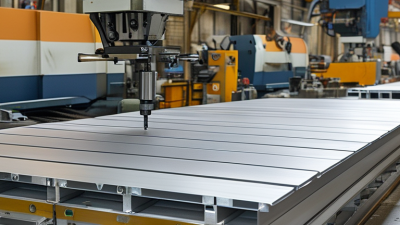
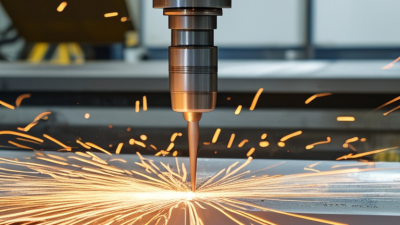
So, a Cnc Aluminum Profile Machining Center is pretty much a specialized machine designed for cutting, drilling, tapping, and milling aluminum sections. It’s a smart machine that uses computer control combined with a sturdy, rigid structure. In real-world workshops, folks use it to process things like window frames, curtain-wall parts, doors, solar components, and various industrial profiles.
Usually, you’ll find it equipped with a worktable, spindle, tool magazine, clamping system, and a CNC controller. Each of these parts plays a crucial role in ensuring accuracy. Just having a powerful spindle, for example, doesn’t automatically mean you’ll get clean edges — factors like cutting speed, the shape of your tools, the coolant, and how well the profile is supported all matter just as much. Skilled operators always double-check these details before starting production. A small mistake during setup can lead to visible burrs, uneven holes, or parts out of tolerance, which is the last thing anyone wants.
This guide is meant to break down how these machines work and where they fit into modern aluminum fabrication. It’ll cover things like machine capacity, axis movement, tooling options, automation, maintenance, and safety for operators. Reliable manufacturers usually provide detailed specs, test results, installation help, and after-sales support, so it’s smart to look into those instead of just falling for flashy marketing. Trust me, that’s super important.
Now, a Cnc Aluminum Profile Machining Center can definitely help boost consistency and cut down on manual handling — but it’s not some magic fix-all. Complex profiles might still need custom fixtures or extra finishing touches. Also, the faster production speeds can reveal weaknesses in your programming, clamping set-up, or even staff training. So, it's important to evaluate everything carefully. The best machine for you depends on profile size, tolerances, batch size, available space, and long-term maintenance needs. It’s all about finding the right fit for your specific situation.
Definition and Core Purpose of a CNC Aluminum Profile Machining Center
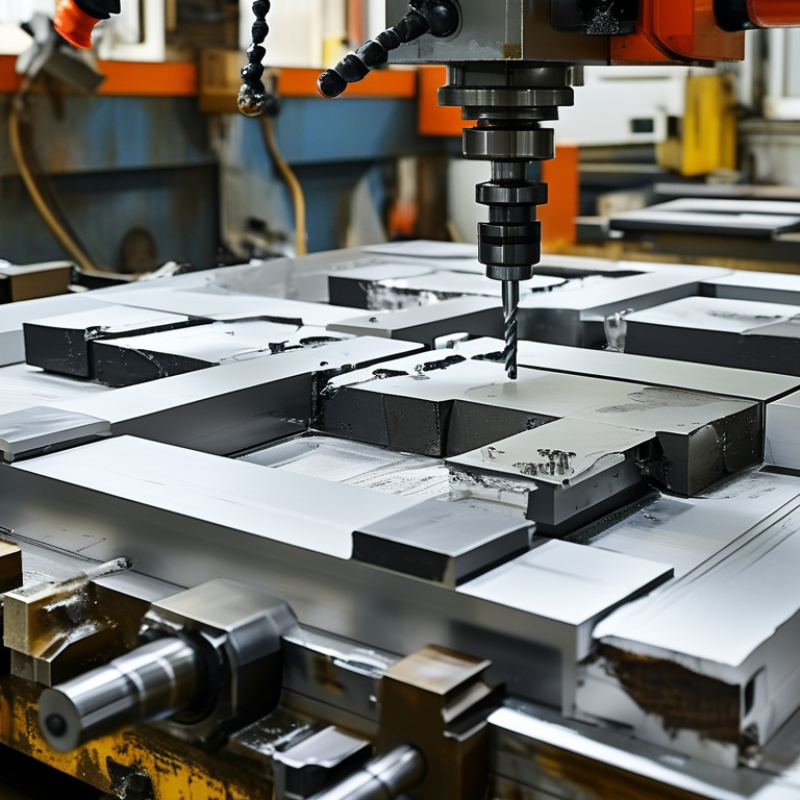
A CNC Aluminum Profile Machining Center is a computer-controlled machine designed to cut, drill, mill, tap, and finish aluminum profiles. Its core purpose is controlled, repeatable processing. The operator loads a digital program, secures the profile, and sets tools for each operation. The machine then follows programmed coordinates with limited manual intervention. Typical applications include window frames, curtain-wall components, solar rails, and lightweight structural parts.
It is more than a powered cutting saw. The center combines motion control, spindle rotation, tooling, and workholding in one production system. According to Grand View Research, the global CNC machine market was valued at about USD 83 billion in 2022, reflecting strong demand for automated precision. The International Aluminium Institute reports that aluminum remains widely used in transport and construction because of its low density and recyclability. These trends support profile machining investment, but they do not guarantee efficiency.
That part requires judgment.
A poorly supported profile can vibrate during milling. Incorrect feeds may create burrs, thermal marks, or dimensional drift. Tool wear also changes results over time. In practical production, accuracy depends on programming, fixture design, coolant control, and operator experience. Reports often emphasize market growth, yet shop-floor losses can come from setup delays and rejected parts. A CNC Aluminum Profile Machining Center reduces repetitive labor, but it still needs inspection and thoughtful process control. The best definition is therefore functional: it is an integrated system for converting long aluminum profiles into precise, application-ready components.
Key Components and Their Functions
An Aluminium Profile Machining Center combines a rigid frame, moving axes, and controlled cutting tools. Its structure must resist vibration when long profiles are drilled, milled, or tapped. Even a small deflection can leave visible marks on a finished surface.
The spindle provides the cutting force and determines suitable tool speeds. Linear guides support smooth axis movement, while ball screws or rack drives position the cutter accurately. A workholding system keeps the aluminium profile stable during machining. Pneumatic clamps are common, but poor clamping can still cause movement. That problem is easy to underestimate.
The controller coordinates the spindle, feed rates, tool changes, and programmed paths. Many machines also use a tool magazine, probing device, and automatic lubrication system. These components reduce manual adjustment and help maintain repeatable results. Chip extraction removes sharp aluminium fragments from the cutting area. Coolant or mist may improve tool life, although excessive fluid can complicate cleaning. Safety doors and interlocks protect operators during rapid movements.
In practical use, the Aluminium Profile Machining Center is only as reliable as its setup. Correct tool selection, clean reference surfaces, and careful program checks matter greatly. A precise machine cannot repair a flawed drawing or a wrongly measured profile. Operators should inspect the first workpiece with calipers or a coordinate measuring device. Small calibration errors sometimes remain hidden until several parts have been produced.
How CNC Aluminum Profile Machining Centers Operate
An Aluminum Machining Center converts digital designs into precise aluminum components through controlled cutting. The process begins with a CAD model and CAM-generated toolpaths. Operators check dimensions, material thickness, and clamping points before loading the profile. Small errors matter.
The profile is secured on a fixture, often with supports beneath long sections. A probing cycle can locate the workpiece and compensate for slight positioning differences. The spindle then starts with a suitable cutter, while programmed feed rates control cutting pressure. Coolant or air helps clear chips from narrow grooves and prevents heat buildup. During machining, the center may drill holes, mill slots, tap threads, and cut angled features without removing the profile. This reduces repeated setup errors.
In practice, no setup is perfect. Thin aluminum can vibrate, especially near unsupported ends. A slower feed may improve the surface, but it can also increase heat and tool wear. Experienced operators watch chip shape, sound, and spindle load instead of trusting the program blindly. After machining, they inspect critical dimensions with calipers, gauges, or a coordinate measuring machine. Even then, a clean first part may hide a problem. Tool deflection, burrs, or slight profile movement can appear later in the batch. Careful inspection and occasional toolpath adjustments keep production reliable.
Main Machining Processes and Capabilities
What Is a CNC Aluminum Profile Machining Center?
Main Machining Processes and Capabilities
A CNC aluminum profile machining center converts long extrusions into precise structural components. It can cut profiles to length, mill surfaces, drill holes, and create threaded openings. Many machines perform several operations without removing the workpiece. This improves positional accuracy and reduces handling time.
Typical work begins with automatic sawing or end milling. The machine then creates pockets, slots, counterbores, and mounting holes. Tapping tools produce internal threads for fasteners. Contouring operations shape curved edges or stepped sections. Chamfering removes sharp edges and improves assembly safety. Some systems also support angled drilling, which helps with frames, enclosures, and rail structures.
Accuracy depends on more than the machine itself. Correct clamping prevents profile movement during cutting. Sharp tools reduce burrs and protect the aluminum surface. Suitable spindle speed, feed rate, and coolant control help prevent built-up material on the cutter. Chip evacuation matters too, especially inside narrow pockets. Small errors can appear after long profiles expand from heat.
I have seen operators trust automatic settings too quickly. That can create avoidable defects. A test piece, measured with calipers or a coordinate system, should confirm the program before full production. The center may offer impressive flexibility, but it cannot correct poor drawings, weak fixturing, or unclear tolerances. Careful inspection remains essential.
What Is a CNC Aluminum Profile Machining Center?
CNC aluminum profile machining centers commonly perform face milling, pocket milling, drilling, tapping, and contouring. The chart shows representative dimensional tolerance capabilities for standard CNC machining operations.
Reference values are typical ranges for general-purpose aluminum CNC work. Actual results depend on machine accuracy, tooling, workholding, profile geometry, thermal conditions, and inspection methods.
Common Applications Across Different Industries
What Is a CNC Aluminum Profile Machining Center?
Common Applications Across Different Industries
A CNC aluminum profile machining center cuts, drills, taps, and mills long aluminum sections with programmed accuracy. Unlike a general milling machine, it often uses extended worktables and specialized clamps. This design suits profiles used in frames, rails, doors, and structural assemblies. In practical workshops, operators adjust cutting speeds according to alloy, wall thickness, and tool condition. Small errors can create visible gaps during assembly.
Construction companies use these machines for window frames, curtain-wall components, partition systems, and lightweight supports. Solar manufacturers machine aluminum rails with repeated holes and precise connection points. The process saves manual measuring time. It also helps maintain consistent dimensions across large production batches. However, thin profiles may vibrate during cutting. Better fixturing is sometimes more important than higher spindle speed.
Transportation manufacturers apply profile machining to vehicle interiors, roof structures, and seating frameworks. Industrial automation companies produce machine guards, conveyor frames, and linear-motion supports. Furniture producers machine aluminum legs, handles, and modular joints. Electronics facilities may use the equipment for equipment frames and cooling assemblies. Each application needs different tooling and inspection methods. A clean cut does not always mean a correct part. Hole position, squareness, surface marks, and thermal movement also require attention.
In my experience, rushed setup changes cause more rework than ordinary tool wear. Careful calibration and sample inspection remain essential, even for familiar profiles.
Benefits, Limitations, and Selection Considerations
A CNC aluminum profile machining center cuts, drills, taps, and contours long aluminum sections with programmed precision. It commonly uses three or more controlled axes. The machine may process profiles for frames, rails, enclosures, and lightweight structural parts. Cnc Machining Aluminum Profile work is attractive because aluminum cuts quickly and resists corrosion. However, its softness can cause burrs, chatter, and clamping marks. Thin walls may also deform under excessive pressure.
The International Aluminium Institute reported about 70.6 million tonnes of primary aluminum production in 2023. This scale supports a broad supply chain, but it does not guarantee consistent machining quality. Profile alloy, temper, straightness, and surface condition still matter. The Aluminum Association notes that recycled aluminum requires roughly 5% of the energy used for primary production. That benefit is valuable, although chips must be separated and managed correctly. In practice, tool geometry often matters more than raw spindle speed. A fast machine with poor chip evacuation can leave a rough, overheated edge. That is an uncomfortable limitation.
Tips: Check the working length, spindle torque, fixture design, and automatic tool-change capacity. Ask for test cuts using your actual alloy and wall thickness. Measure flatness, hole position, burr height, and cycle time. Do not select by advertised speed alone. A machine that fits one-meter profiles may struggle with five-meter sections. Review ISO 230-based accuracy data where available, and confirm maintenance support, calibration methods, and operator training. I would also allow time for trial runs; ignoring setup variation is an easy mistake.
Conclusion
A Cnc Aluminum Profile Machining Center is a computer-controlled machine designed to cut, drill, mill, tap, and shape aluminum profiles with high precision and repeatability. Its core components typically include a rigid frame, spindle system, workholding fixtures, tool magazine, servo-driven axes, control unit, and safety enclosure. Together, these systems guide the profile through programmed machining operations while maintaining accurate dimensions and consistent quality.
The machine can perform end milling, slotting, hole making, contouring, and other operations used in doors, windows, curtain walls, transportation equipment, furniture, and industrial assemblies. Its main advantages include improved productivity, reduced manual labor, flexible production, and reliable dimensional control. However, users should consider the initial investment, programming requirements, maintenance needs, available workspace, and the profile sizes and materials to be processed. Selecting suitable spindle power, axis travel, tooling, and automation features is essential for achieving efficient and cost-effective results.