Leave a Message
*Name Cannot be empty!
* Enter product details such as size, color,materials etc. and other specific requirements to receive an accurate quote. Cannot be empty
0%

Picking an Aluminium Profile Machining Center isn't really a catalogue exercise — it's a practical call. You need the machine to line up with your profile length, alloy hardness, tolerances, output volume, and the space you've actually got. A center built for window frames? It might struggle once you throw heavy architectural sections at it. And yeah, that difference matters.

Good manufacturers don't just talk specs. They look at real workpieces before they recommend anything. They'll check spindle power, tool capacity, axis travel, how strongly it clamps, chip removal, and whether the control system stays stable. Ask for a sample machining run. Look closely at cut edges, drilled holes, surface finish. Little burrs can be a tell — poor settings or weak fixturing. Quiet operation is a nice bonus, too.

Don't get blinded by big speed claims. A reliable Aluminium Profile Machining Center should stay accurate over long production runs. Ask about service response times, spare-parts availability, software training, and warranty terms. Get references from factories running similar aluminium profiles. Independent test reports and documented quality procedures? Those help you feel more confident.

No machine is perfect. Even experienced teams can mess up on installation space or operator training, and that mistake gets expensive. A careful evaluation should cover power requirements, extraction arrangements, maintenance access, and local compliance rules. Operators also need clear guarding, emergency controls, and practical inspection routines.

The cheapest quote can turn expensive after repeated downtime. Paying more can make sense if it cuts scrap and keeps output stable. But premium branding alone proves nothing. Compare measurable performance, total cost of ownership, and support quality. The best choice is the center that fits proven production needs — not the one with the longest feature list.
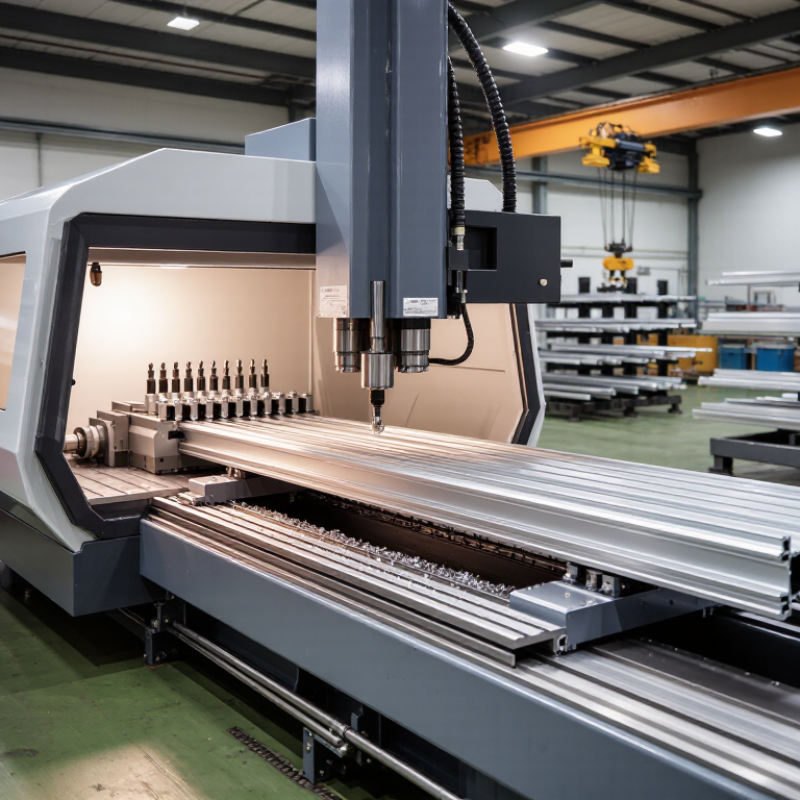
How to Choose an Aluminium Profile Machining Center?

Define the Machining Requirements for Aluminium Profiles

How to Choose an Aluminium Profile Machining Center?

Define the Machining Requirements for Aluminium Profiles

Choosing an Aluminum Profile Machining Center starts with the profile, not the machine brochure. Record the alloy, length, width, wall thickness, and extrusion condition. These details affect cutting force, vibration, and tool life. A soft 6063 profile behaves differently from a harder structural alloy. Measure real samples when possible. Drawings alone can hide distortion.

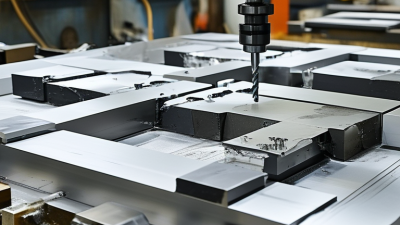
List every operation required. Drilling, tapping, slotting, end milling, pocketing, and sawing may need different spindle speeds and tools. State the tightest tolerance, surface-finish expectation, and repeatability requirement. For example, a ±0.05 mm hole position demands stronger fixturing than general framing work. Small details matter.

Consider production reality. A six-metre profile may require extended support and careful loading access. Thin walls can deform under clamping pressure, especially near deep pockets. Vacuum support may help, but it is not always suitable for every shape. Check chip evacuation, coolant control, tool storage, and inspection access. Do not size the machine only for today’s order. Future profiles may be longer or heavier.

Calculate cycle time from actual tool paths, not optimistic estimates. One overlooked tool change can disrupt a full shift. I have seen specifications fail because operators were not asked about setup effort. That mistake deserves review. Test cuts with representative profiles can reveal chatter, burrs, heat marks, and clamping weaknesses before purchase.

Compare Machine Types, Axes, and Processing Capabilities

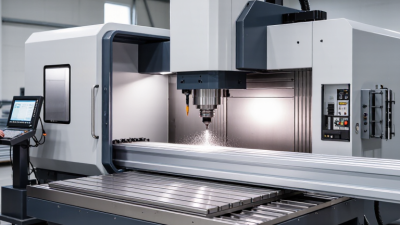
Choosing an aluminium profile machining center starts with the workpiece, not the machine brochure. A three-axis center suits drilling, tapping, and simple end milling on straight profiles. It can handle window frames, rails, and light structural parts efficiently. However, it may struggle with angled holes or several faces in one setup. A four-axis machine adds rotary movement, allowing the cutter to reach more surfaces without manual repositioning. This reduces handling time and alignment errors. For complex profiles, a five-axis center offers simultaneous tool movement around the part. That flexibility is valuable, but programming and maintenance require stronger technical control.

Compare the axes with your actual drawings. Do you need fixed-position machining, or continuous contouring around the profile? Check spindle speed, tool capacity, worktable length, and clamping layout. Aluminium cuts easily, yet it can smear when tools are dull or chips remain trapped. Through-spindle cooling or directed air can improve chip evacuation. Ask for test cuts using your alloy, wall thickness, and longest profile. Measure hole position, surface finish, burrs, and cycle time. A machine that looks fast may lose productivity during frequent fixture changes. Specifications sometimes hide this practical weakness.

Tips: Match axis count to required setups, not imagined future work. Confirm travel length after clamping, because usable space is smaller than advertised. Review sample programs with an experienced operator. Leave room for mistakes. A realistic acceptance test should include thin walls, deep pockets, and repeated drilling. These details reveal vibration, deflection, and inconsistent clamping before purchase.

How to Choose an Aluminium Profile Machining Center?

Compare machine types by controlled axes and the number of axes that can move simultaneously. A higher axis count can reduce repositioning when machining multiple faces or angled features, but the best choice also depends on profile length, workholding, spindle performance, and required operations.

Three-axis machines typically provide X, Y, and Z linear movement. Four-axis machines add one rotary or indexing axis, while five-axis machines add two rotary axes, enabling more complex angled machining in fewer setups. Actual configurations vary by machine design.

Evaluate Spindle Power, Speed, and Tool Compatibility

When selecting a Cnc Aluminum Profile Machining Center, examine spindle behavior rather than brochure wattage. A powerful spindle should maintain torque during deep pocketing and slot cutting. In aluminum, unstable torque often creates chatter, torn edges, and visible vibration marks. I have found that a moderate-power spindle can outperform a larger one when its bearings and control system remain stable.

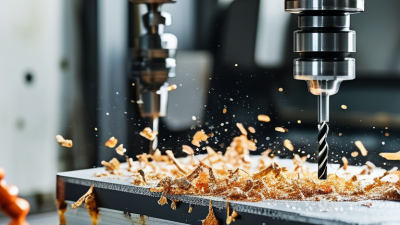
Speed matters just as much. Many aluminum operations require high rotational speed, but maximum rpm alone proves little. Match spindle speed with cutter diameter, flute count, feed rate, and profile thickness. A small two-flute cutter may need rapid rotation for clean chip removal. A larger tool can overheat the material if speed is excessive. Watch the chips. Blue or welded chips suggest poor settings, not necessarily poor machinery.

Tool compatibility deserves a physical check. Confirm the spindle taper, collet range, maximum tool diameter, and automatic tool-change capacity. The machine should hold common carbide cutters, drills, and chamfering tools without awkward adapters. Check whether through-tool cooling or external air reaches narrow profile channels. Ask for test cuts using your actual alloy and wall thickness. Keep the results, including cycle time, noise, edge quality, and tool wear. A higher spindle rating is not automatically better. I once trusted a specification sheet too quickly, and the real cutting test changed my view.

Check Worktable Size, Clamping Methods, and Profile Capacity

Choosing an Aluminum Machining Center should begin with the worktable, not the machine’s impressive brochure numbers. Measure the longest profile you actually process, including loading space and end clearance. A table that is too short creates awkward overhangs and repeated repositioning. A very large table is not automatically better. It may increase cost, floor space, and setup time.

Clamping methods directly affect accuracy and profile quality. Manual clamps suit occasional work, while pneumatic or hydraulic systems support faster, repeatable production. Check whether clamps can hold narrow, thin-wall, or uneven profiles without leaving marks. The clamping layout should also allow tool access along the cutting path. Profile capacity requires more than maximum length. Confirm allowable width, height, wall thickness, weight, and spindle clearance. A large profile may fit physically but still collide with the enclosure or tooling. That detail is easy to miss.

Tips: Bring a real sample profile during evaluation. Test its longest cut, drilling position, and clamping points. Ask for measured tolerances, not only rated capacity. One overlooked issue is support spacing. Long profiles can vibrate like a flexible ruler, even when the table appears strong. Review chip removal and coolant access too. These small checks often reveal weaknesses before installation. Perfect specifications rarely predict every workshop condition.

Assess Accuracy, Automation, Software, and Safety Features

Choosing an aluminium profile machining center starts with measured accuracy, not brochure resolution. During trials, inspect a 500 mm test cut with a calibrated measuring device. Check hole position, squareness, surface finish, and repeatability. ISO 230-2 provides a useful framework for positioning accuracy tests. Thermal drift also matters. A machine may cut perfectly at 8 a.m., then shift after hours of spindle activity. That detail is often ignored.

Automation should remove handling errors without making maintenance mysterious. Look for automatic tool changing, profile clamping sensors, tool-life monitoring, chip evacuation, and probing functions. The International Federation of Robotics reported 541,302 new industrial robots installed worldwide in 2023. This supports the wider move toward automation, but it does not prove that every robot improves aluminium production. Poor programming can simply automate waste. Software should include collision simulation, reliable CAD/CAM integration, clear post-processor controls, and production data logging. Deloitte’s 2023 Smart Manufacturing and Operations Survey found that 86% of manufacturers viewed smart manufacturing as a major competitiveness driver within five years. The figure is persuasive, but software quality still depends on operator training.

Safety deserves a practical inspection. Verify guarded access, interlocked doors, emergency stops, light curtains, and chip containment. The control system should support risk reduction principles described in ISO 12100 and ISO 13849-1. Request validation records, not verbal assurances. Ask whether the machine stops safely during a sensor failure or network interruption. An impressive interface cannot compensate for weak safeguards. One uncomfortable question remains: can a new operator understand the alarms without guessing?

Review Supplier Support, Maintenance Needs, and Total Cost

Choosing an aluminium profile machining center should begin with supplier support, not glossy specifications. A machine may cut accurately on day one. The harder question is what happens after installation. Ask whether technicians provide commissioning, operator training, and response times in writing. Request examples of remote troubleshooting and onsite service. A reliable supplier explains spindle limits, tooling options, and achievable tolerances without vague promises. During a factory visit, inspect cables, guarding, chip removal, and sample parts. Small details reveal working habits.

Maintenance and total cost deserve equal attention. Include installation, shipping, tooling, energy, software, labor, and possible downtime in your calculation. Ask about service intervals, consumables, warranty exclusions, and spare-parts lead times. For Cnc Machining Aluminum Profile work, poor chip evacuation can increase cleaning time and affect production flow. Test a realistic batch before purchasing. The cheapest quotation can look sensible, yet hidden service delays may cost more than the machine. No checklist catches every risk. Review your assumptions.

Tips: Compare three written service plans. Record promised response times. Calculate the cost of one idle production day. Ask operators to inspect the control interface and access points. Leave room for honest uncertainty; maintenance estimates are rarely perfect.

How to Choose an Aluminium Profile Machining Center? - Review Supplier Support, Maintenance Needs, and Total Cost

Indicative market comparison for new three-axis and four-axis aluminium profile machining centers. Actual specifications, prices, service terms, and operating costs vary by configuration, region, tooling, duty cycle, and installation conditions.
Evaluation Area Dimension Entry-Level Configuration Mid-Range Production Configuration High-Throughput Configuration What to Verify Before Purchase
Machine Capability Typical working length 3,000–4,000 mm 5,000–7,000 mm 7,000–12,000 mm or multi-zone loading Match the usable machining length to the longest profile and required end margins.
Typical spindle speed 12,000–18,000 rpm 18,000–24,000 rpm 18,000–30,000 rpm Higher speed is useful for aluminium routing, but tool geometry, rigidity, and chip evacuation are equally important.
Spindle power 3.5–7.5 kW 7.5–12 kW 9–15 kW Confirm continuous power, rated torque, collet standard, and compatibility with the planned cutters.
Positioning accuracy Approximately ±0.05–0.10 mm Approximately ±0.03–0.05 mm Approximately ±0.02–0.04 mm Request a documented acceptance test using the profile length and tolerances required by your products.
Repeatability Approximately ±0.03–0.05 mm Approximately ±0.02–0.03 mm Approximately ±0.01–0.02 mm Check whether the quoted value applies across the complete working envelope and under normal operating temperature.
Typical automation level Manual loading and basic clamping Pneumatic clamping, probing, and barcode or job-file support Multi-zone vacuum or pneumatic clamping, automatic tool management, and production data integration Confirm compatibility with existing CAD/CAM, ERP, barcode, and material-handling systems.
Indicative purchase price $35,000–$80,000 $80,000–$180,000 $180,000–$350,000+ Clarify whether tooling, software, freight, installation, training, taxes, and commissioning are included.
Supplier Support Warranty coverage Typically 12 months Typically 12–24 months Typically 12–24 months, sometimes with extended options Check coverage for spindle bearings, servo drives, control electronics, travel costs, and labor.
Remote technical response Usually 1–3 business days Usually same business day to 2 business days Often same business day with priority support options Obtain response-time commitments in writing, including escalation and after-hours procedures.
On-site service availability May depend on regional partners Usually available through a service network Usually supported by dedicated regional or factory technicians Ask for technician location, travel charges, target arrival time, and local spare-parts stock.
Training package Basic operator and safety training Operator, setup, maintenance, and software training Detailed production training, process optimization, and maintenance documentation Confirm training hours, trainee numbers, language, refresher training, and handover materials.
Spare-parts lead time Common parts: 1–4 weeks Common parts: 1–3 weeks Common parts: 1–2 weeks; critical parts may be stocked locally Request a recommended two-year spare-parts list and written availability commitments.
Maintenance Needs Daily operator checks Clean chips, inspect clamps, check lubrication and air pressure Clean chips, inspect tooling, check lubrication, air pressure, and sensors Same checks plus monitoring of tool life, vacuum or pneumatic zones, and automated systems Ensure the maintenance checklist is practical for the planned shift pattern.
Routine maintenance interval Weekly to monthly, depending on usage Weekly to monthly, with periodic axis and spindle inspections Daily monitoring plus scheduled monthly, quarterly, and annual service Ask for maintenance intervals based on operating hours rather than calendar time alone.
Annual maintenance budget Approximately 2–4% of purchase price Approximately 3–5% of purchase price Approximately 4–7% of purchase price Budget separately for preventive service, consumables, software support, tooling, and emergency repairs.
Typical consumables Cutters, collets, filters, lubricants, and clamps Cutters, collets, filters, lubricants, clamps, and probing components All of the above plus automated-tooling and material-handling consumables Compare local prices, expected service life, and approved alternatives before signing the contract.
Maintenance complexity Lower initial complexity Moderate and manageable with trained staff Higher complexity; benefits from trained maintenance personnel Evaluate staff skills, documentation quality, diagnostic access, and remote troubleshooting capability.
Total Cost of Ownership Typical electrical demand Approximately 8–15 kW connected load Approximately 15–30 kW connected load Approximately 25–50 kW connected load Use the supplier’s connected-load and average-consumption figures to verify plant capacity and energy cost.
Installation requirements Stable floor, three-phase power, compressed air, and chip collection Higher floor area, three-phase power, compressed air, extraction, and safe material handling Dedicated production area, higher electrical capacity, extraction, air supply, and material-flow planning Include foundation work, electrical upgrades, air treatment, extraction, rigging, permits, and commissioning.
Estimated five-year operating cost $45,000–$110,000 $90,000–$220,000 $180,000–$420,000 Estimate electricity, labor, tooling, maintenance, software, spare parts, downtime, and financing costs.
Estimated five-year total cost $90,000–$220,000 $200,000–$500,000 $450,000–$1,000,000+ Compare total cost against annual production volume, usable capacity, expected uptime, and contribution margin.
Best-fit production profile Low to medium volume, varied jobs, and budget-sensitive operations Medium volume with repeatable batches and multiple profile sizes High volume, multi-shift production, tight delivery schedules, and automation needs Choose the smallest configuration that meets capacity, accuracy, safety, and future-growth requirements.
Cost assumptions: Five-year estimates are broad planning ranges for a new machine and exclude building purchase, major production-line automation, financing interest, and unusual breakdowns. Electricity, labor rates, tooling prices, and service costs differ significantly by country and operating schedule. A supplier quotation should include a detailed total-cost model and a written service-level agreement.

FAQS

How should spindle power be evaluated for aluminum profile machining?

Focus on torque stability, not brochure wattage. A moderate spindle may perform better during deep pockets and slot cutting. Watch for chatter, torn edges, and vibration marks.

Does a higher spindle speed always improve aluminum cutting?

No. Match speed with cutter diameter, flute count, feed rate, and profile thickness. Small two-flute cutters often need faster rotation. Large tools may overheat the material.

What can cutting chips reveal during a test?

Blue or welded chips may indicate poor settings. They do not automatically prove faulty machinery. Adjust speed, feed, and cooling before judging the machine.

Which tool compatibility details should buyers verify?

Check the spindle taper, collet range, maximum tool diameter, and tool-change capacity. The machine should hold carbide cutters, drills, and chamfering tools without awkward adapters.

How can buyers test machining performance realistically?

Request test cuts using the actual alloy and wall thickness. Record cycle time, noise, edge quality, and tool wear. Keep the samples for later comparison.

What supplier support should be confirmed before purchase?

Ask for written commissioning, operator training, and response times. Request examples of remote troubleshooting and onsite service. Vague promises deserve careful questioning.

Which maintenance and ownership costs are easy to overlook?

Include installation, shipping, tooling, energy, software, labor, and downtime. Check service intervals, warranty exclusions, consumables, and spare-parts lead times. Small delays can become expensive.

How can a factory visit reveal practical problems?

Inspect cables, guarding, chip removal, control access, and sample parts. Ask operators to use the interface. Small details often expose uncomfortable weaknesses.

Conclusion

Choosing the right Aluminium Profile Machining Center begins with a clear understanding of your production requirements. Consider the aluminium profile dimensions, material types, machining operations, production volume, and required flexibility. Compare different machine structures, axis configurations, and processing capabilities to ensure the equipment can handle drilling, milling, tapping, cutting, and other operations efficiently. Spindle power and speed should match your applications, while tool compatibility is important for achieving stable performance and smooth surface finishes.

You should also evaluate the worktable size, clamping methods, and maximum profile capacity to confirm that workpieces can be positioned securely. Accuracy, automation, control software, safety functions, and ease of operation can directly affect productivity and quality. Finally, review the supplier’s technical support, training, spare parts availability, maintenance requirements, energy use, and overall ownership cost. A careful comparison of these factors will help you select a reliable machine that meets current needs while supporting future production growth.