Leave a Message
If you need a pipe that’s lightweight, has a consistent cross-section, and can be tailored to your exact specs, an aluminium extrusion pipe is a pretty solid choice. Basically, the process shapes aluminium by forcing it through a die, so manufacturers can crank out pipes in all kinds of profiles and sizes. Of course, having that kind of flexibility can make assembly a lot easier—especially when you're trying to get brackets, channels, or other parts to line up just right. But here's the thing: a custom shape alone won't guarantee you've got the right part for the job.
When it comes to choosing materials, it really depends on what the part needs to do. The alloy and temper matter for strength and formability, and wall thickness plus diameter will affect weight and overall structural performance. And don't forget about the environment—moisture, chemicals, temperature swings, even touching other metals can all take a toll over time. So it's worth thinking about those things early on.
Before you commit to a pipe, it’s worth sitting down with the supplier’s technical data and comparing the loads you’ll actually be dealing with, tolerances, surface finish, how you’re planning to join it, and the operating conditions. Don’t be shy about asking them how they measure dimensions and what quality checks they run. A clear drawing and realistic tolerances can save you from a ton of avoidable back-and-forth revisions. And if it’s a demanding application, get a qualified engineer to confirm it’s suitable—don’t just rely on the glossy product description.
Honestly, it’s all about trade-offs. Extrusion can be great if you’re working with repeatable designs, but you have to watch out—tooling, minimum order quantities, and post-processing can really add up in both cost and lead time. And if you need tighter tolerances, that’s going to require more manufacturing control. So aluminium isn’t automatically the answer. The right call depends on the material and process that actually fit the project’s verified requirements. Taking a bit more time to scrutinize things at the planning stage can save a lot of headaches later.
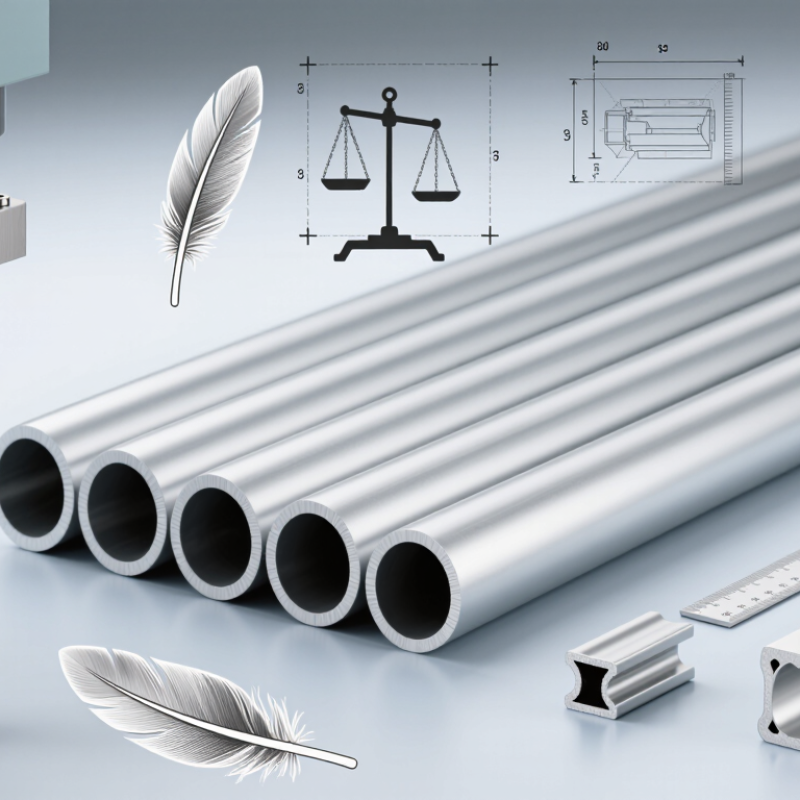
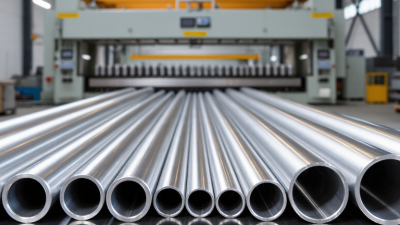
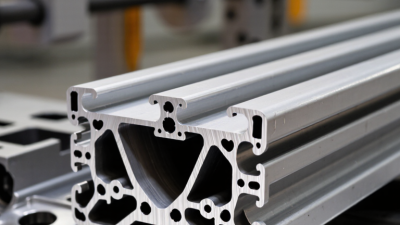
An Aluminium Extrusion Pipe is a hollow profile formed by pushing a heated aluminium billet through a shaped die. The die determines the pipe’s cross-section, so its outer shape, wall thickness, and internal passages can be designed for a particular job. Unlike a welded tube, an extruded section can be made in one continuous piece. That can reduce seams, though it does not automatically make every design stronger.
Material choice matters. The Aluminum Association’s Aluminum Design Manual gives aluminium a density of about 2.70 g/cm³, compared with roughly 7.85 g/cm³ for carbon steel. That lower weight can make long pipe runs easier to lift and support. Check the alloy and temper, too; strength and corrosion performance vary. A light pipe is not a universal fix.
The International Aluminium Institute’s 2023 Global Aluminium Cycle report estimates that around 75% of all aluminium ever produced remains in use. That supports aluminium’s reuse potential, but it is not a guarantee that a specific pipe will be recycled. Wall thickness, pressure, temperature, and joining method still need careful review. Small details matter. A poorly chosen profile may save weight and create headaches later.
| Dimension | Aluminium Extrusion Pipe | Project Consideration |
|---|---|---|
| What it is | A hollow aluminium profile formed by forcing a heated billet through a shaped die. The process can produce round tubes and other hollow or custom cross-sections. | Specify the cross-section, dimensions, alloy, temper, and manufacturing requirements for the intended use. |
| Typical density | About 2.7 g/cm³ for common aluminium alloys. | At equal volume, aluminium is roughly one-third the weight of carbon steel or stainless steel, and about 30% the weight of copper. |
| Stiffness | Elastic modulus is approximately 69 GPa for aluminium alloys. | Aluminium is less stiff than steel. Tube diameter, wall thickness, supports, and alloy temper affect structural performance. |
| Thermal conductivity | Common aluminium alloys typically conduct heat at roughly 120–237 W/(m·K), depending on alloy and temper. | Useful where heat transfer matters. Check the specific alloy data when designing thermal equipment. |
| Corrosion behaviour | Forms a naturally protective oxide layer; performance depends on alloy, environment, surface condition, and any coating. | For marine, chemical, or other aggressive environments, confirm alloy suitability and consider anodizing or a compatible coating. |
| Shape and design options | Extrusion can create consistent hollow profiles and integrate features such as grooves, ribs, or mounting channels into the cross-section. | Custom profiles may reduce the need for separate components, but die design, minimum wall thickness, and production volume should be reviewed with the supplier. |
| Fabrication | Can generally be cut, drilled, machined, and joined using suitable methods; weldability varies by alloy and temper. | Include joining method and finish requirements in the specification. Welding can affect properties in and around the heat-affected zone. |
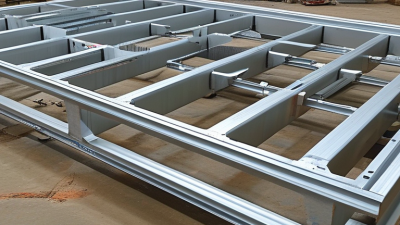
| Common uses | Frames, machine components, heat-transfer equipment, fluid-handling systems, and architectural or transport structures. | Confirm pressure, temperature, loading, and regulatory requirements before using a tube in a structural or fluid-pressure application. |
Values are typical reference figures, not design allowables. Properties vary by alloy, temper, product dimensions, and applicable standards; consult the relevant material certificate and engineering data for final selection.
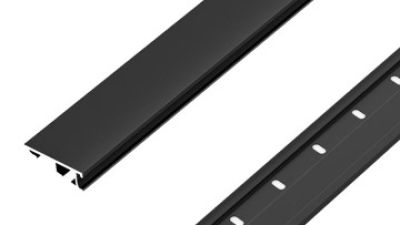
An aluminium double-walled snap-on baseboard offers a clean finish while helping shield lower walls from scuffs, kicks, and everyday impact. Its two-part design typically separates the wall-fixed backing from the visible cover, which snaps into place without exposed nails or adhesive. Before installation, check wall flatness, measure corners and openings carefully, and confirm that the profile’s height and finish suit the room. Keep the backing level and secure it using fasteners appropriate for the wall material; then press the cover into place and verify that it is seated evenly. Follow the supplier’s installation instructions, especially at joints and corners, for a neat result.
Aluminium is also valued for its potential to remain in use through recycling. The International Aluminium Institute’s *Global Aluminium Cycle* data estimate that around 75% of all aluminium ever produced is still in use. The Aluminum Association reports that recycling aluminium takes about 95% less energy than producing primary aluminium, although the recycled content of a particular baseboard depends on its material sourcing. When comparing products, ask about alloy, finish durability, recycled content, and replacement-part availability. These practical checks can help balance appearance, wall protection, ease of installation, and long-term material use in modern interiors.
It is a hollow aluminium profile formed by pushing a heated billet through a shaped die. The die sets its shape and wall thickness.
An extrusion can form one continuous piece without a welded seam. That does not automatically make it stronger.
Aluminium is light, at about 2.70 g/cm³. Long sections can be easier to lift and support than steel ones.
Yes. Designers can include channels, mounting faces, or cable routes. That may reduce drilling and extra parts.
No. Check the alloy, temper, wall thickness, and fastener pull-out strength. Small details matter.
Test an assembled section under realistic vibration and uneven loads. A neat profile can still loosen at a joint.
It resists atmospheric corrosion, but exposure, surface finish, and contact with other metals affect performance. The joint deserves attention.
No. Recycling aluminium uses about 5% of the energy needed for primary production, but extrusion alone does not ensure a lower footprint.
Aluminium has strong reuse potential, and much of the metal ever produced remains in use. A specific pipe’s recovery is not guaranteed.
An Aluminium Extrusion Pipe is formed by shaping aluminium through a die to create a consistent hollow profile. Its manufacturing process allows different diameters, wall thicknesses, and cross-sectional designs to suit specific project requirements. Performance depends on factors such as the alloy, dimensions, surface finish, and production quality, which influence strength, weight, corrosion resistance, and durability.
These pipes can offer a practical balance of low weight, reliable performance, and design flexibility, making them suitable for applications in construction, transportation, machinery, and fluid or air handling systems. To choose the right option, consider the operating environment, required load and pressure, connection method, size tolerances, and any finishing needs. Matching these factors to the demands of the project helps ensure the pipe performs effectively and remains suitable throughout its intended service life.